
Categories
Homeowner TipsPublished September 18, 2026
Can Northern Virginia Homeowners Change Their HOA From the Inside?

By Chris Colgan | Northern Virginia | September 18, 2026
Yes—owners can work through an HOA’s records, meetings and elections to pursue changes. But replacing board members, changing a management company and ending the association are different projects. Start by identifying what you want fixed and what the community’s documents actually allow.
A reader-shared r/nova discussion about changing an HOA from the inside raises a useful question: when dues rise and residents are unhappy, what should they ask for before deciding the whole system needs to go?
Source note: We could not independently retrieve the thread or its comments. The supplied account describes dues rising from about $50 to $140 monthly after developer control ended. Those figures and the reported service concerns are unverified; this article does not identify or investigate that association.
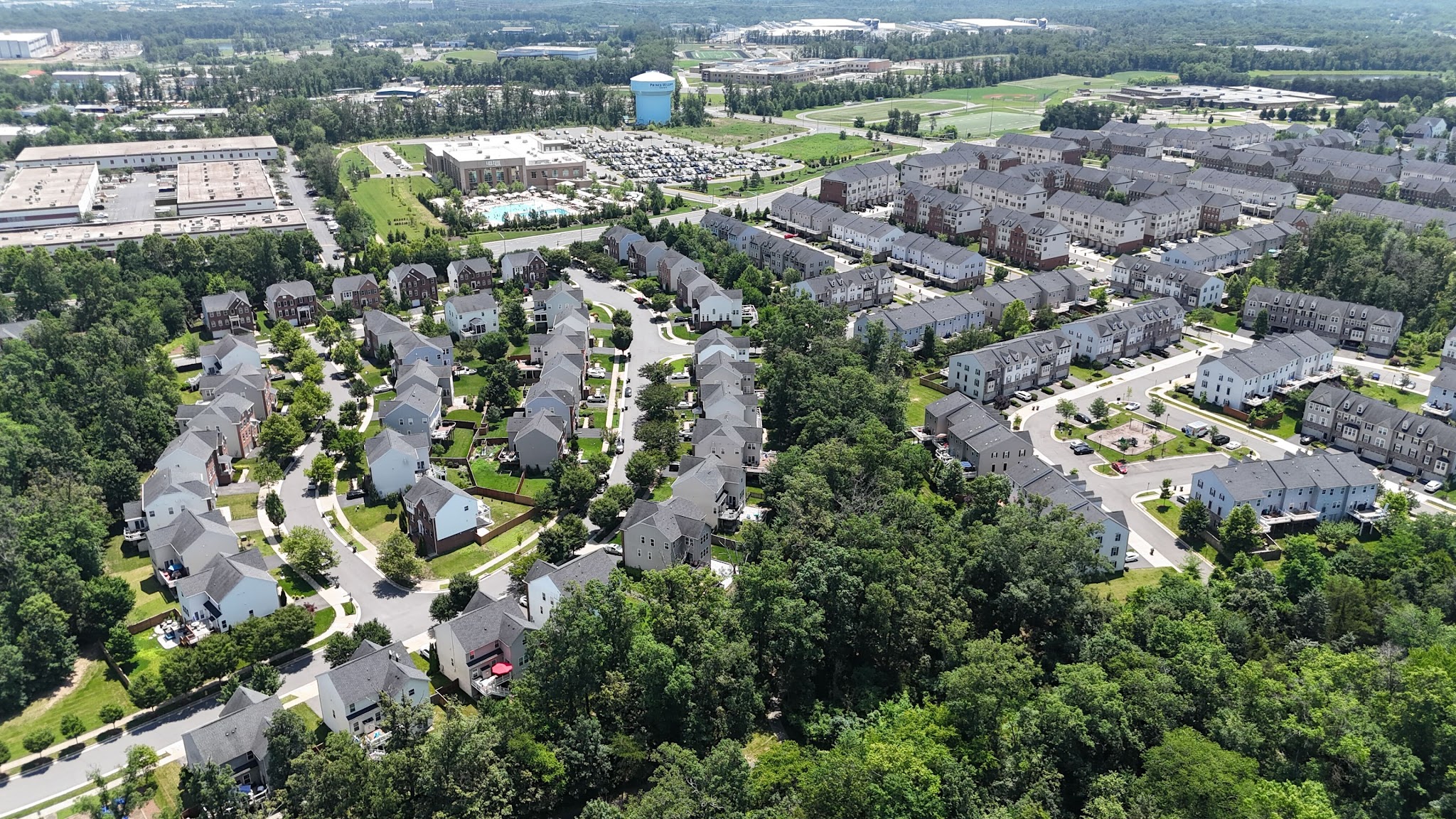
Cover photo: Real Gainesville, Virginia, aerial supplied by Chris Colgan. It illustrates local housing and is not identified as the community in the discussion.
First, put the fee increase into dollars
Using the figures in the supplied account as an illustrative calculation:
| Monthly dues | Annual cost |
|---|---|
| $50 | $600 |
| $140 | $1,680 |
| Difference: $90 | Difference: $1,080 |
That is a 180% increase from the starting amount. The arithmetic is clear; the reason for the change is not. It does not establish a regional trend, wrongdoing or what a reasonable fee would be for another neighborhood.
Ask what changed—not just what the fee used to be
A useful budget conversation separates three possibilities: higher ongoing operating expenses, money being set aside for future replacements, and a change in who pays costs after developer turnover. These are questions to test against records, not conclusions about this community.
Ask for a line-by-line comparison of the last two budgets. Which expense increased? What service changed? How much goes into reserves? If someone says the developer previously covered a shortfall, ask where that contribution appears in the financial records. A low starting fee alone does not prove a subsidy existed.
Virginia’s budget and reserve-study statute requires covered associations to make an annual budget or summary available before the fiscal year, conduct a reserve study at least every five years and review its results annually. Where the study identifies a need for reserves, the budget must include specified replacement-cost and funding information. A reserve contribution may pay for future work rather than a visible improvement today.
The five documents to request first
- Declaration and amendments: What obligations attach to the lots, and how can those terms change?
- Bylaws: How do nominations, elections, voting and any removal process work?
- Current and prior budgets: What explains the dollar difference?
- Latest reserve study and reserve balances: What repairs are planned, when, and with what funding?
- Relevant meeting minutes and available contracts: What decision was made, and what services were authorized?
For associations covered by Virginia’s Property Owners’ Association Act, section 55.1-1815 provides records-access rights for members in good standing, for a proper membership-related purpose, subject to exclusions. Written notice is generally five business days for professionally managed associations and ten for self-managed associations. Reasonable copying charges can apply; some confidential material can be withheld. Make the request specific rather than demanding every resident’s file.
Changing leadership is a different goal from dissolving the HOA
If the problem is poor communication or spending priorities, start with the election calendar and a specific proposal: publish a budget explanation, compare service bids or report progress on a maintenance issue. Read the nomination rules before recruiting candidates. An election platform should explain how obligations will be funded, not simply promise lower dues.
If the problem is a recorded restriction, the amendment process matters. Virginia’s declaration-amendment statute sets a two-thirds owner-vote default unless the declaration provides otherwise, with execution and recording requirements. That is not a universal “two-thirds can dissolve any HOA” rule.
Before proposing termination, have a Virginia community-association attorney review the declaration, title, common property, contracts and liabilities. Ask who would own, maintain and insure any shared property afterward. Electing different directors does not answer those questions.
What to do when a records or process dispute remains
The Virginia Common Interest Community Ombudsman explains association law and the complaint process. Its resources include an internal association complaint form and information about a Notice of Final Adverse Decision. The office does not provide legal advice or interpret your governing documents. It is not a general appeal desk for any fee an owner dislikes.
This article addresses property owners’ associations. Condominium associations have a separate Virginia statutory framework, so confirm your community’s legal form before applying a rule. For a dispute about your own rights or deadlines, consult qualified Virginia counsel.
Five questions Northern Virginia owners ask
1. Can owners vote out the board?
Owners can pursue leadership changes through the community’s applicable election procedures. Review the bylaws for terms, nominations, quorum and voting; do not assume an informal neighborhood poll removes directors.
2. Does a big dues increase prove mismanagement?
No. The percentage alone cannot explain the expenses, reserves or service obligations behind it. Compare budgets and supporting records before reaching a conclusion.
3. Can owners inspect the HOA’s financial records?
Covered POA members in good standing have qualified access under section 55.1-1815, discussed above. Identify the records and membership-related purpose in writing, and account for statutory exclusions and applicable costs.
4. Would replacing the management company eliminate dues?
Changing a service provider is not the same as eliminating the association’s obligations. Ask which duties the company performs, what termination terms apply, and how those duties would be handled afterward.
5. What should a buyer ask before choosing an HOA community?
Ask what dues include, what they exclude, how the budget changed, and what planned repairs or assessments could affect your own costs. Compare the full monthly budget instead of choosing a neighborhood solely for its advertised fee.
Comparing Northern Virginia neighborhoods? Book a conversation with Chris about your housing budget, commute and community preferences. Bring the property addresses and current fee information; legal interpretation belongs with your attorney.
For an area overview, start with my free Northern Virginia relocation guide. If you are considering a sale, request a home-value estimate as a starting point for a property-specific discussion.
Local market context: purchase price is only part of the budget
For historical context, August 2026 median sold prices were $752,250 in Fairfax County, $771,250 in Loudoun County and $599,900 in Prince William County, across all property types. These county figures do not identify the anonymous community or measure HOA fees, association quality or any fee’s effect on home values. Monthly ownership costs still need a property-by-property comparison.
Source: Bright MLS via SmartCharts / MarketStats by ShowingTime, August 2026, calculated September 4, 2026; compiled market reference. Historical monthly data, not live inventory. Fairfax County excludes Fairfax City; Prince William County excludes Manassas and Manassas Park.
Chris Colgan
Team Leader | Chris Colgan Team
Real Broker, LLC | Powered by PLACE
Serving Northern Virginia and the DMV
Call/text: 571-437-7575
Office: 571-621-7660
info@colganteam.com
8427 W Main St, Marshall, VA 20115
ColganTeam.com | ChrisColgan.com

Chris Colgan
Team Leader | Chris Colgan Team | REAL | PLACE
or another way