
Categories
Buyer Guides, New Construction HomesPublished October 5, 2026
Should You Get an Independent Inspection on a New-Construction Home in Northern Virginia?

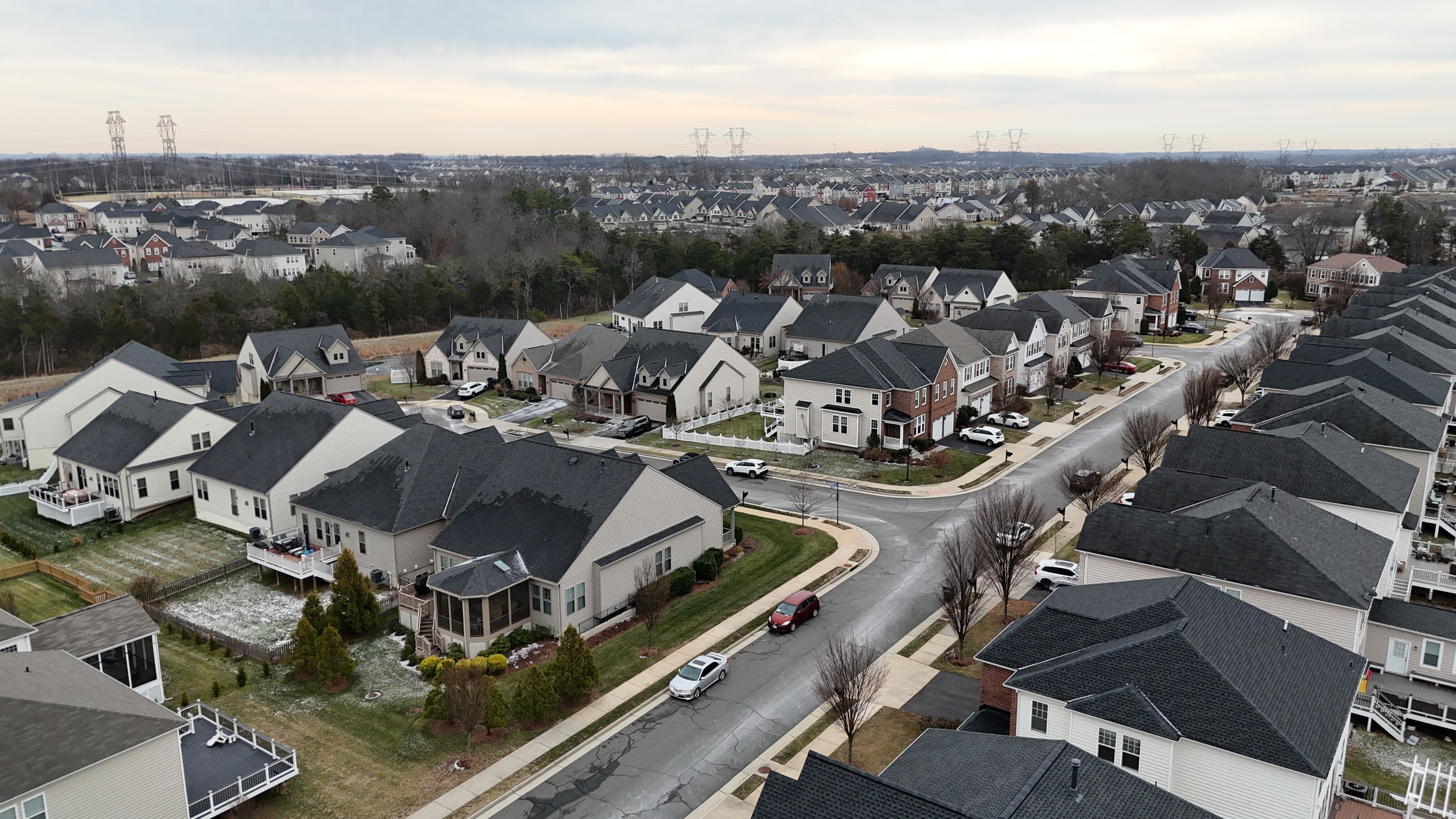
Yes—an independent inspection is worth considering even when the home is brand new. It gives you a separate assessment of accessible components and another chance to identify incomplete or defective work before closing. Arrange the builder’s access requirements early, hire a Virginia-licensed home inspector with the New Residential Structure (NRS) specialty, and leave time to review findings and verify agreed repairs.
The practical question is not whether the kitchen looks finished. It is whether you understand what was inspected, what could not be checked, and what the builder has agreed to do next. Colgan Team agents Kam (Kamrul) Ashfakh and Jontae Mclean shared their guidance on October 4, 2026.
Why inspect a home that nobody has lived in?
“New construction can still have installation errors or unfinished work, and an independent inspection gives buyers another opportunity to identify issues before closing.” — Kam Ashfakh
Kam identifies plumbing leaks, missing insulation, ventilation problems and drainage concerns as examples an inspector might find. He specifically describes these as possibilities, not findings from particular clients’ homes. Jontae adds doors or windows that do not operate properly, cosmetic issues and incomplete work to the questions buyers should consider.
That does not mean every new home has a major problem. It means a fresh finish is not enough information to evaluate the systems behind it. An inspection can also help you distinguish a small touch-up from something that deserves specialist review.
County inspections, the builder walkthrough and your inspection serve different purposes
Fairfax County explains that building and trade inspections check construction against current codes. Those required inspections remain important. Your independent home inspection provides a separate report for you; it does not replace required government approvals.
The builder walkthrough is the opportunity to review the home with the builder, learn about its features and document unfinished items. Ask exactly what that appointment includes. Do not assume it provides the same scope or written evaluation as an independent inspection.
For a buyer comparing a townhome in Herndon with a detached home in Aldie or a new build in Prince William County, the same three questions apply: What approvals are required for this address? What does the builder inspect? What will my own inspector evaluate? Confirm local procedures for the actual property rather than applying Fairfax’s process everywhere.
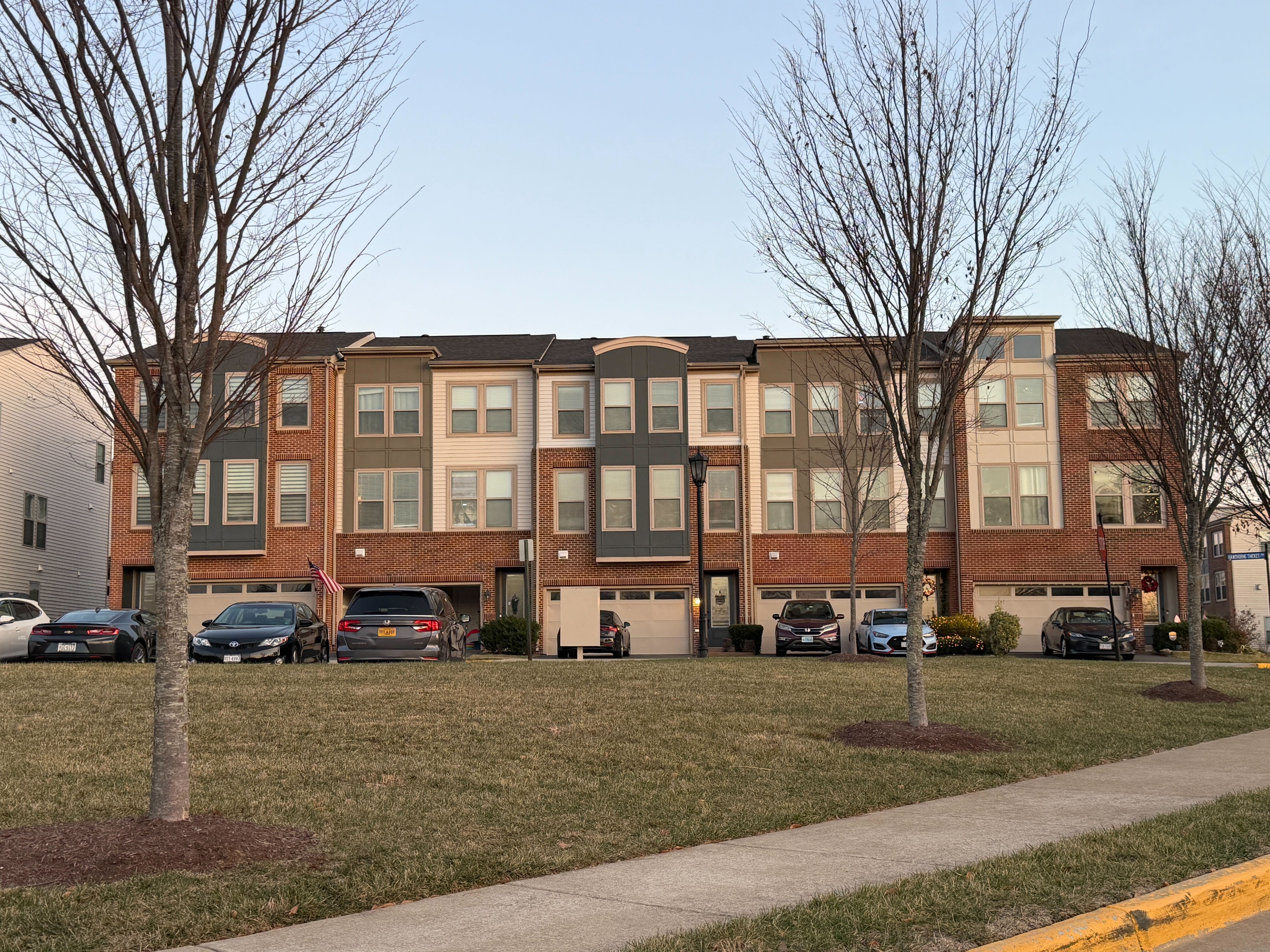
Gateway Commons townhomes in Aldie, from the team’s SEO photo library. Representative neighborhood photography; no inspection finding or current availability is implied.
Set the inspection schedule before the builder’s calendar gets tight
Kam recommends discussing access before signing the builder’s contract. Jontae likewise urges buyers to raise the issue early, before construction is too far along. Ask for the answers in writing:
- Are independent inspections permitted at multiple stages?
- How much notice is required, and who coordinates entry?
- What qualifications or insurance documentation must the inspector provide?
- When will the home be ready, with systems available to operate?
- How will the builder receive the report and respond to requested repairs?
- Can the inspector return to check agreed repairs?
Pre-drywall: Ask about a visit while relevant construction remains exposed. Coordinate the exact stage with the inspector and builder. This visit cannot evaluate every feature of the completed home.
Before closing: Arrange an inspection when construction is sufficiently complete, with time afterward for review, the builder’s response and any agreed verification. A report arriving as you head to settlement leaves little room to work through it.
After repairs: Decide which findings need a return visit and what documentation will show completion. If timing slips, see our guide to a delayed new-construction closing in Northern Virginia. An inspection does not itself give you permission to change a contractual closing date.
Check the Virginia NRS credential—and the inspection’s limits
Virginia DPOR says inspections of new residential structures should be performed by licensed home inspectors with the NRS specialty designation. Ask for the inspector’s current license information and verify the designation before hiring.
Read the inspection agreement too. Virginia’s reporting standards address readily accessible components and observable defects, including structural, roof, plumbing, electrical, heating and cooling components, subject to applicable contract limitations. Systems that are off or otherwise unavailable may not be tested; the report must explain the reason.
That is why a report is not a promise that nothing will ever fail. Concealed conditions, incomplete work and unavailable systems can limit what an inspector can tell you. Ask what remains unverified and whether another visit or specialist is appropriate.
How much should you budget?
Get a written quote for the actual home and stages you want inspected. Neither agent supplied a current fee schedule, so a single Northern Virginia price would be misleading here. Compare the total cost of the pre-drywall visit, completed-home inspection, any additional testing and a repair reinspection. Confirm whether a return trip costs extra.
The benefit is additional information before a major purchase. The tradeoffs are added expense, coordination and the possibility of follow-up appointments. Buyers purchasing a completed spec home may no longer have a pre-drywall opportunity, but can still ask about inspecting the finished home. Buyers expecting an inspection to guarantee perfection—or automatically force every requested repair—need a clearer understanding of its limits.
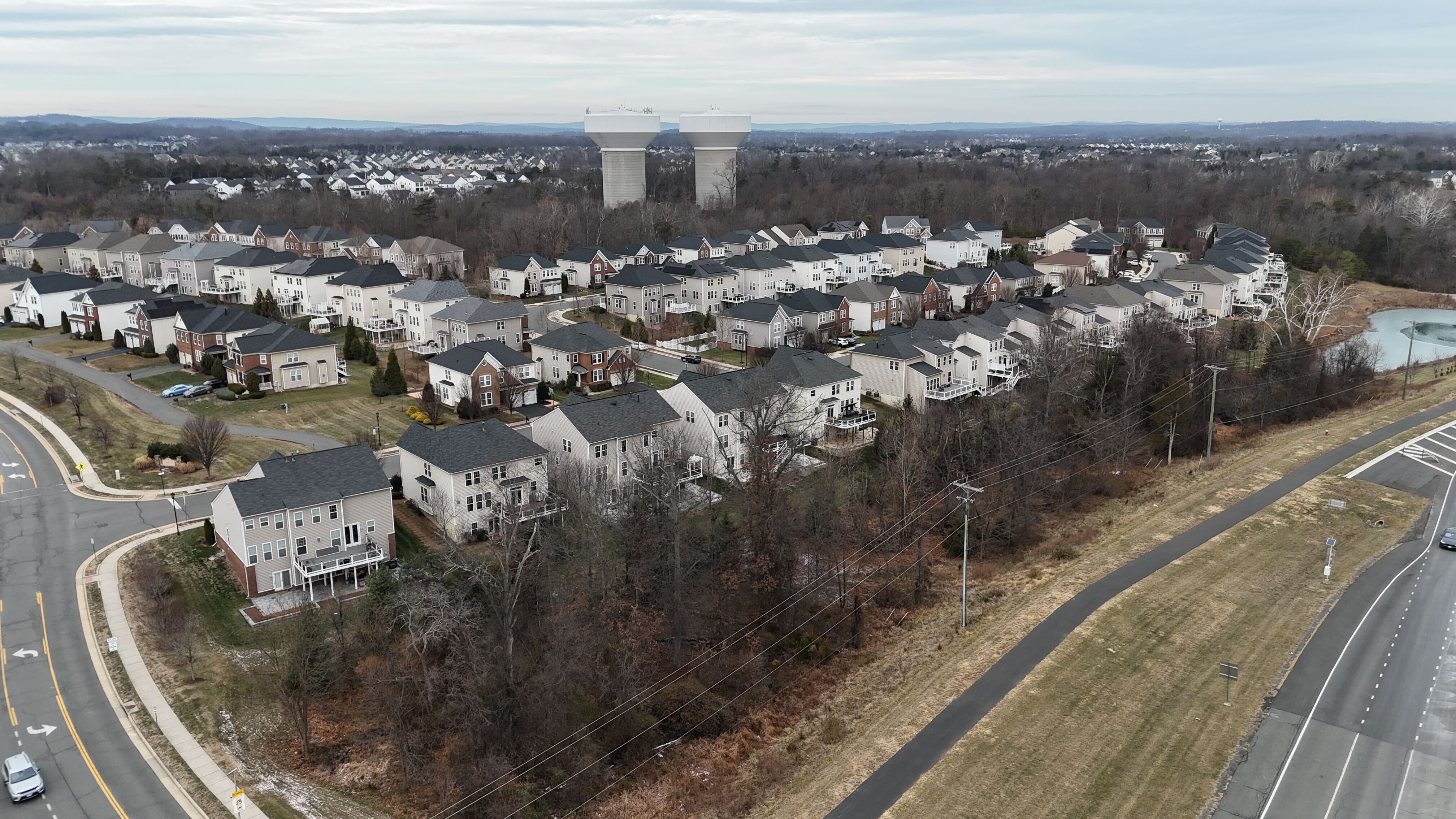
Homes in Aldie, photographed for the team’s SEO library. Inspection scope and repair obligations must be evaluated for the individual home.
Turn the report into a written repair plan
Jontae recommends getting a clear list of repairs or incomplete items, the responsible party and the expected completion date. Kam adds an important follow-up: establish whether your inspector can return to verify the work.
Keep each agreed item specific: the report reference, the work promised, the deadline, who will confirm completion and the person to contact. Ask how anything unfinished at closing will be documented and followed up. For disputes about obligations or closing, have the contract reviewed by the appropriate professional before making a decision.
Also get the warranty documents and reporting process. Know where to submit a claim, what information is required and which deadlines apply. A verbal “we’ll handle it later” is not a useful substitute for a documented plan.
Five frequently asked questions
1. Do I need an inspection if the county already approved the home?
Consider one. The county’s code inspection and your independent assessment have different purposes. Ask your inspector to explain the scope rather than treating an approval as proof that every component is problem-free.
2. Can I schedule the inspector whenever I want?
Do not assume unrestricted access to a construction site. Confirm the builder’s rules, contract terms, notice requirements and available stages before booking.
3. Is pre-drywall enough?
It covers a different stage from the completed home. Discuss both with your inspector, including what each visit can and cannot evaluate.
4. Will the builder fix everything in the report?
A report documents findings; the response depends on the issue and applicable obligations. Ask for a written response and repair agreement rather than assuming every recommendation is accepted.
5. Does the warranty replace a pre-closing inspection?
They serve different purposes. An inspection helps identify conditions at the time of the visit. Warranty coverage and claim deadlines come from the applicable documents and requirements; read them and keep records.
Watch Chris compare Northern Virginia new-home choices
For the broader location decision, watch Thousands of New Homes Are Coming to Northern Virginia. Only 1 is Worth Buying, published August 8, 2026. Chris discusses comparing the home, lot, surroundings and budget. Verify today’s pricing and project details separately; this is community-buying context, not an inspection tutorial.
Plan the questions before you sign
Talk with the Chris Colgan Team about buying a Northern Virginia home. We can help you organize the builder, inspection and timing questions for the property you are considering.
Sign up for my Northern Virginia breaking-news newsletter.
Contributing agents

Kam (Kamrul) Ashfakh
Colgan Team Agent Partner
kam@colganteam.com
Team office: 571-621-7660
Meet Kamrul Ashfakh

Jontae Mclean
Real Estate Agent, Chris Colgan Team
jontae@colganteam.com
Team office: 571-621-7660
Meet Jontae Mclean
Chris Colgan
Chris Colgan
REALTOR® | Team Leader, Chris Colgan Team
Real Broker, LLC | Powered by PLACE
Call or text: 571-437-7575
Office: 571-621-7660
info@colganteam.com
8427 W Main St, Marshall, VA 20115
ColganTeam.com | ChrisColgan.com
Agent guidance supplied October 4, 2026. Primary sources checked October 5, 2026. Examples are illustrative, not reports of defects in the pictured homes.

Chris Colgan
Team Leader | Chris Colgan Team | REAL | PLACE
or another way