
Categories
Virginia Travel & Tourism, Northern Virginia Real Estate, Civil War & Historical GuidesPublished June 13, 2025
Manassas Battlefield Park: A 2025 Visitor's Guide

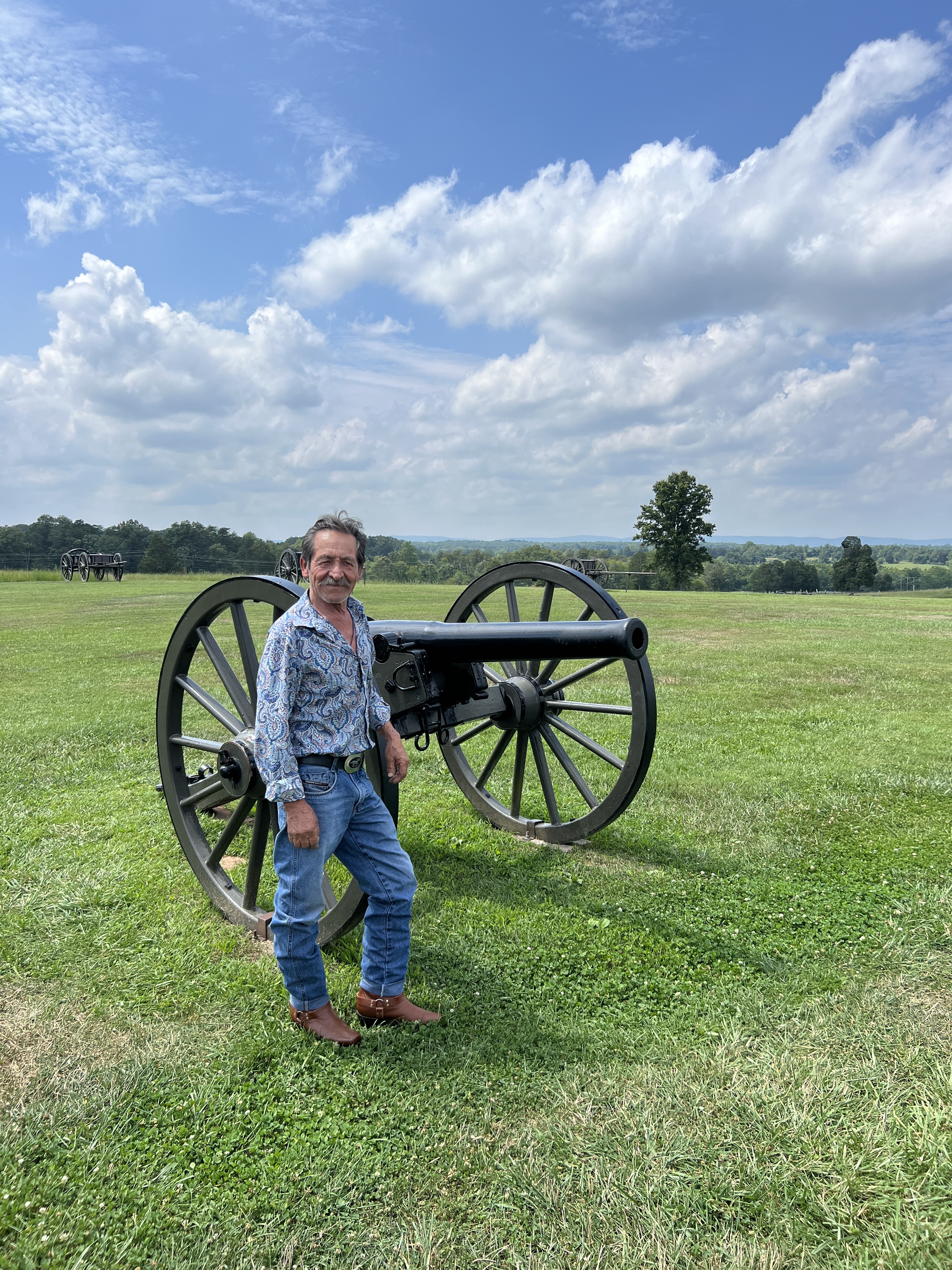
Planning a visit to Manassas Battlefield Park? Whether you’re a Civil War enthusiast, a nature lover, or just looking for a memorable day trip near Washington, D.C., this comprehensive Manassas Battlefield Park visitor's guide has everything you need. Discover the historical battles that shaped a nation, scenic trails to explore, and local tips you won’t find anywhere else.
The Two Crucial Battles of Manassas
Manassas National Battlefield Park is one of the most historically important Civil War sites in the country. The park commemorates two pivotal clashes—the First and Second Battles of Bull Run (also known as First and Second Manassas). Together, these battles bookended the first stage of the war and helped define the military careers of iconic figures like Robert E. Lee, Stonewall Jackson, and Irvin McDowell.
Why Visit Manassas Battlefield?
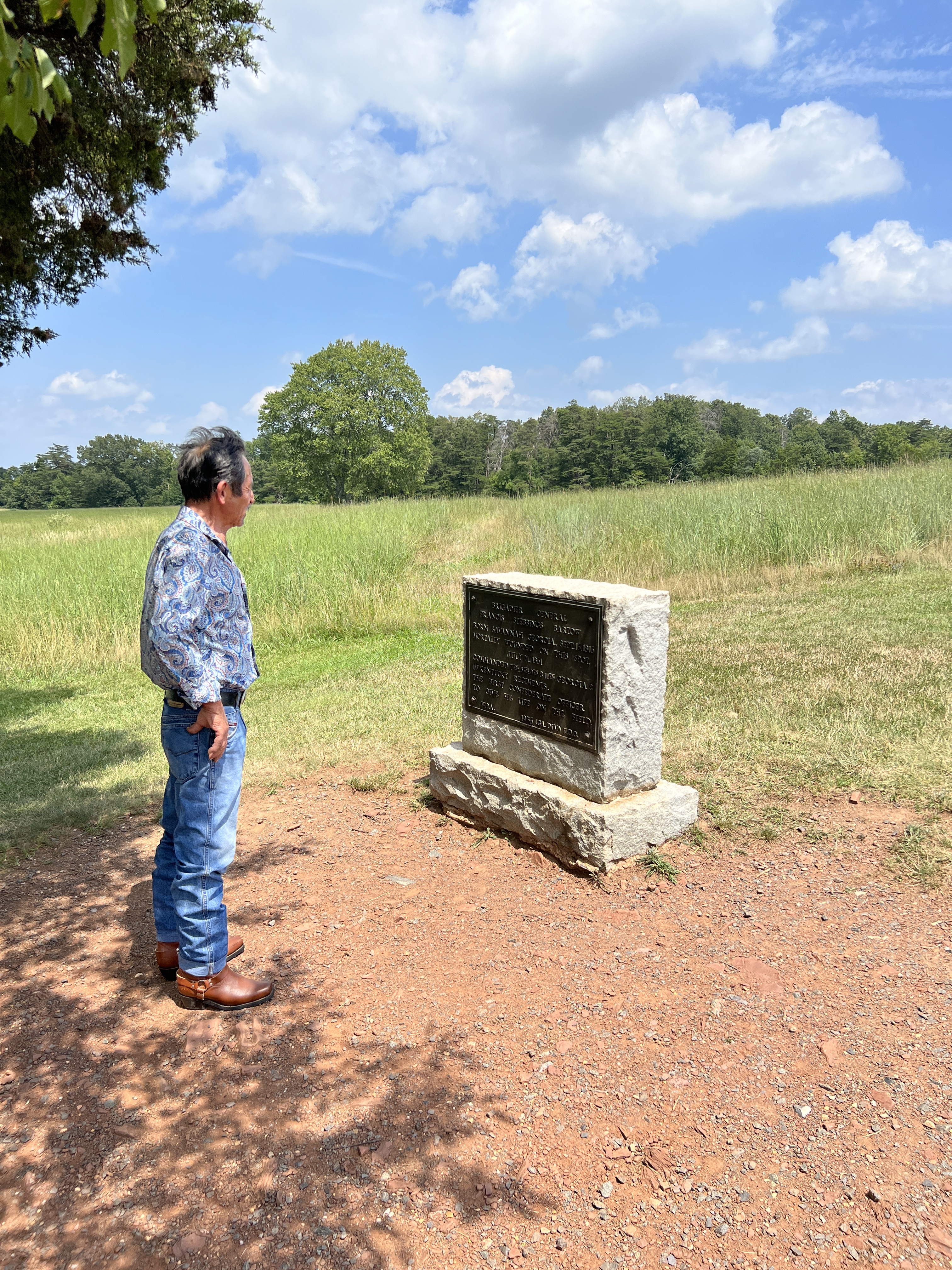
Manassas National Battlefield Park is not just a local treasure — it's a nationally recognized Civil War site where two of the war's most pivotal battles were fought. This park preserves over 5,000 acres of rolling hills, historic landmarks, and interpretive trails. It's perfect for a weekend walk, a deep dive into history, or a reflective solo hike.
The First and Second Battles of Bull Run
First Battle of Bull Run (July 21, 1861)
The First Battle of Bull Run marked the first major land battle of the Civil War. On a hot July day, thousands of untested Union and Confederate troops collided in the rolling fields of Northern Virginia. Civilians from Washington, D.C. even arrived in carriages to watch what many thought would be a quick Union victory.
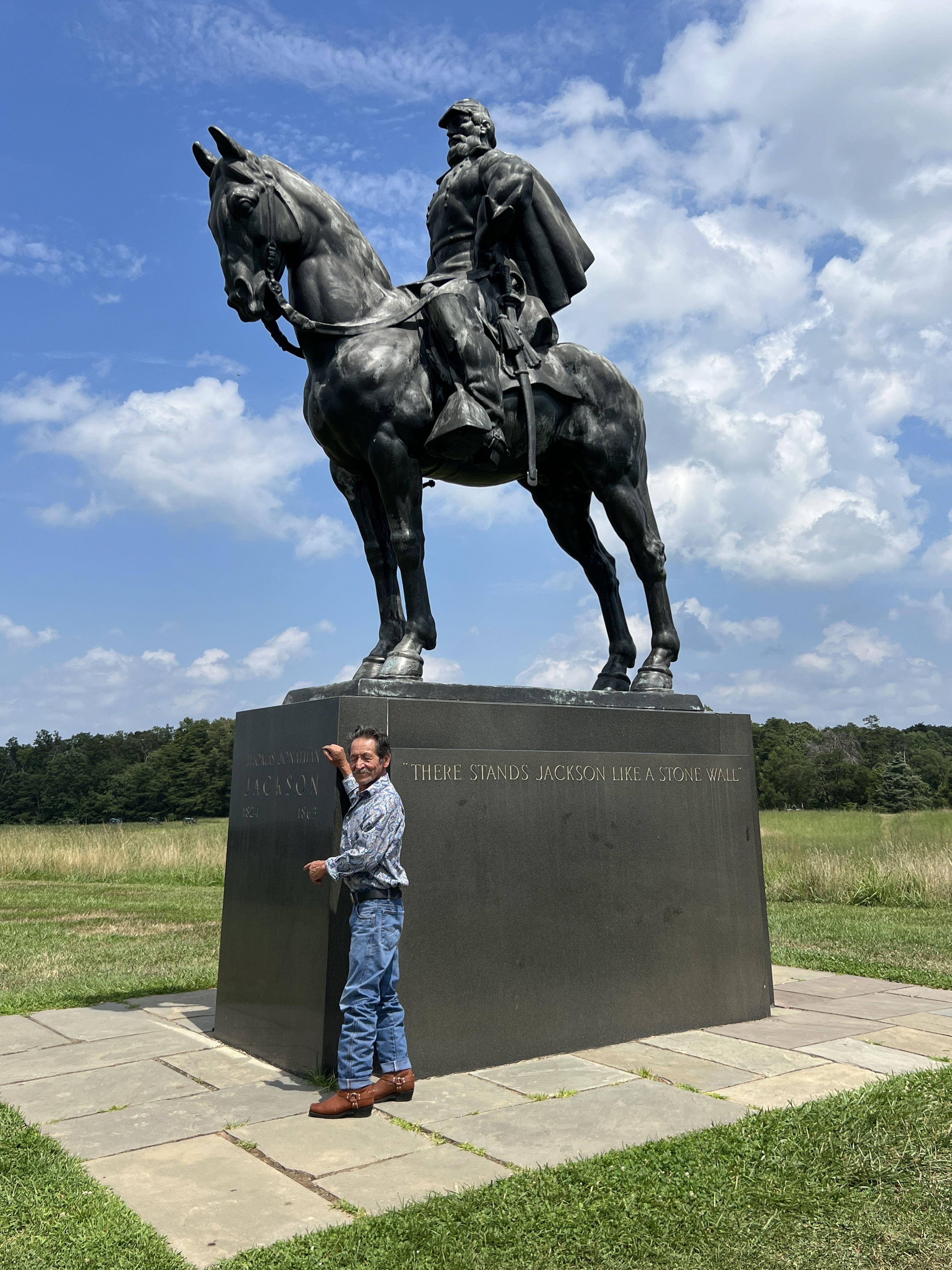
Instead, the day spiraled into chaos. Union General Irvin McDowell launched multiple uncoordinated attacks, eventually forcing a temporary Confederate retreat. But the arrival of reinforcements by train—the first in military history—reversed the tide. General Thomas Jackson’s defiant stand on Henry Hill earned him the nickname “Stonewall,” and the Confederates pushed the Union army into a frenzied retreat back toward Washington.
The stunning Confederate victory stunned the North and convinced both sides the war would be far longer—and bloodier—than anyone expected.
Second Battle of Bull Run (August 28–30, 1862)
A year later, the battlefield erupted again. Confederate General Robert E. Lee, fresh from a string of victories, aimed to remove the Union Army of Virginia from Northern Virginia altogether. He sent General Stonewall Jackson on a flanking maneuver to destroy Union supply lines near Manassas Junction.
Jackson took up a defensive position along an unfinished railroad grade near Brawner Farm. Union General John Pope believed he had Jackson isolated and attacked without realizing that Lee and General James Longstreet were rapidly closing in. On the battle’s second day, Longstreet’s corps arrived and launched one of the largest simultaneous assaults of the entire war—catching Pope’s left flank completely off guard.
The Union defeat was devastating. With more than 22,000 total casualties from both Manassas battles, the park represents a crucible of American sacrifice and a turning point in the Civil War.
What to See and Do
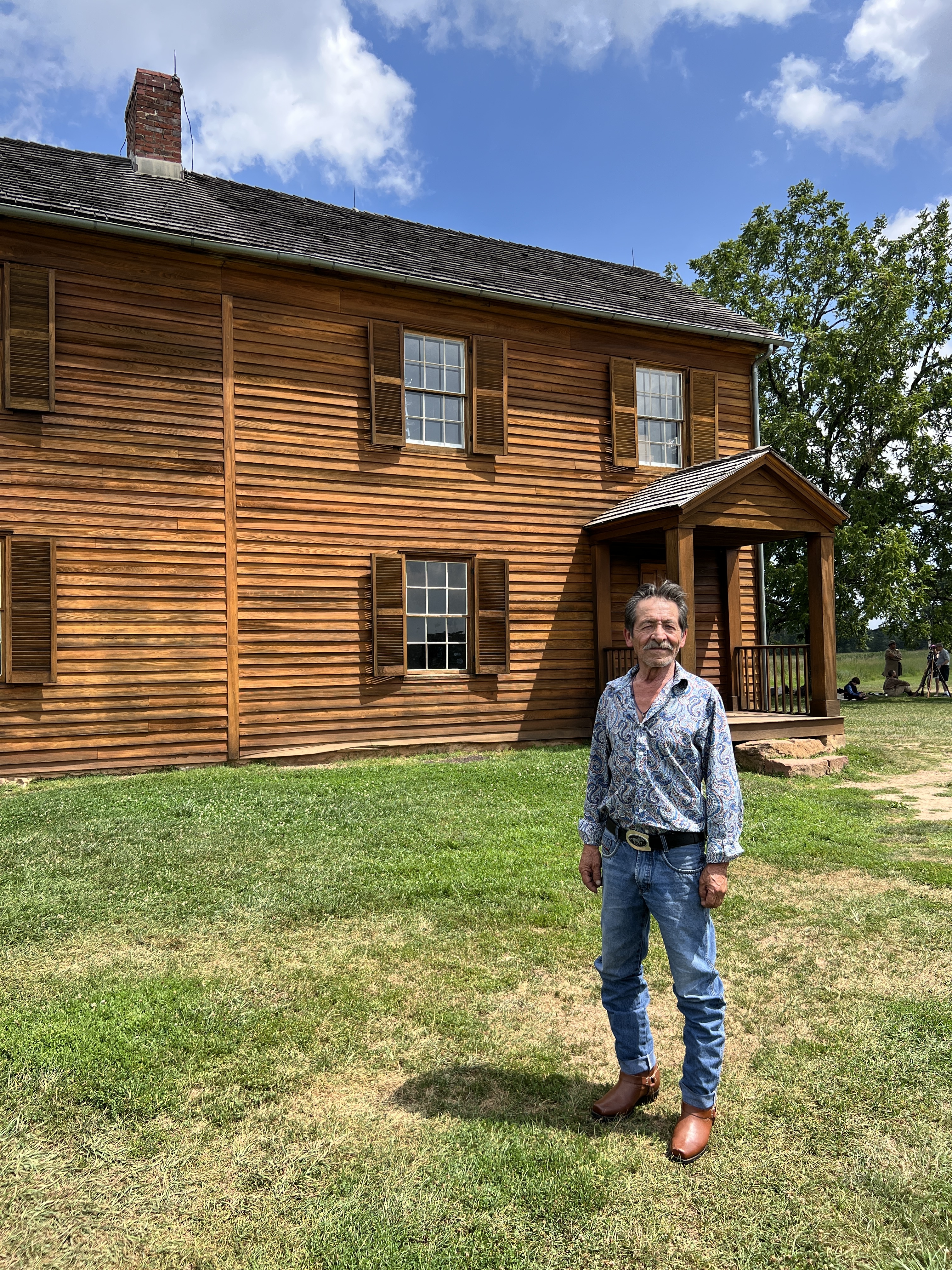
Henry Hill Visitor Center
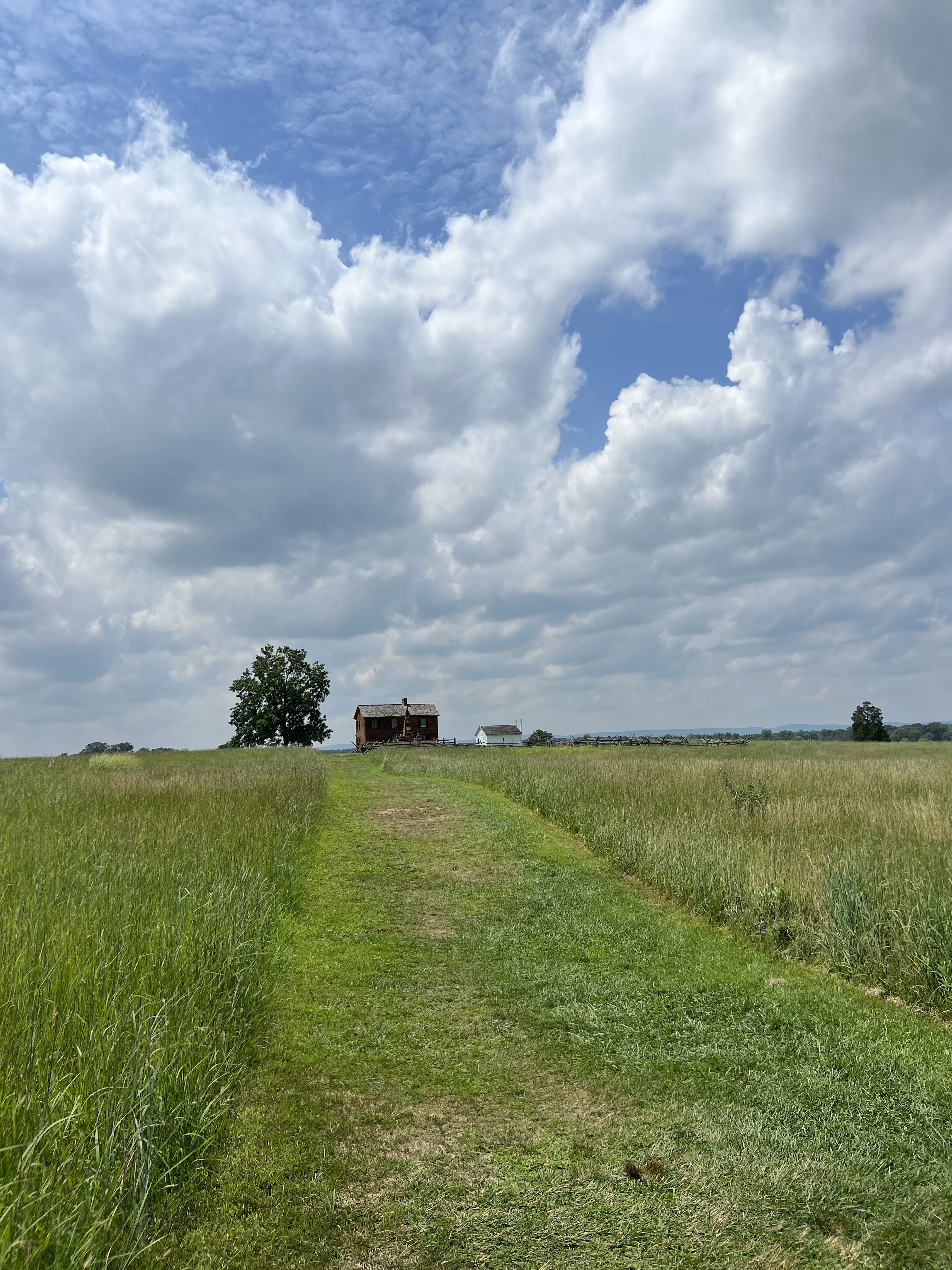
The ideal starting point for any visit. Inside, you’ll find a museum with Civil War-era artifacts, a short introductory film on the First Battle of Bull Run, and helpful staff to answer questions. Outside, walk Henry Hill itself and stand where the first major battle of the war unfolded. Pay special attention to the reconstructed Henry House and the original cannons positioned along the hill.
Stone House and Stone Bridge
The Stone House served as a field hospital during both battles and is one of the most photographed landmarks in the park. It remained standing as thousands of wounded soldiers were treated inside during the carnage. Just a short walk away, the Stone Bridge—rebuilt after the war—marks the location where Union troops crossed Bull Run to initiate the battle.
Brawner Farm
The opening site of the Second Battle of Bull Run. On the evening of August 28, 1862, Union and Confederate troops clashed here in a brutal firefight that lasted until nightfall. Today, interpretive signage and restored fencing offer insight into that terrifying first contact.
Deep Cut and Unfinished Railroad
This area was central to the Second Battle, where fierce fighting occurred along the deep trenches of a never-completed railroad. Jackson’s troops used the elevated embankments for cover as Union forces launched wave after wave of frontal assaults—many of which ended in disaster.
Cannons, Memorials & Historic Homes
Throughout the park, you’ll find original artillery pieces, monuments to various regiments, and reconstructed homes like the Dogan House and the historic Robinson House Site, once owned by a free Black family living in the midst of battle.
Don’t forget to download the NPS app for Manassas for self-guided audio tours and trail maps.
How to Get There
Manassas National Battlefield Park is located at 6511 Sudley Road, Manassas, VA 20109. It's easily accessible from I-66 and Route 29, about a 45-minute drive from Washington, D.C..
There is free parking at the visitor center and several trailheads. Consider arriving early on weekends to beat the crowds.
Tip: Embed a Google Map showing the park location and trailheads to help visitors navigate easily.
Planning Your Visit: What to Know Before You Go
Before heading to Manassas Battlefield Park, here are the essentials to ensure a smooth and enriching visit:
Manassas National Battlefield Park Hours & Fees
-
Park Grounds: Open daily from sunrise to sunset
-
Henry Hill Visitor Center: 9:00 AM – 5:00 PM
-
Closed on: Thanksgiving, Christmas, and New Year's Day
-
Entrance Fee: Free
Best Time to Visit
-
Spring and Fall: Best weather and vibrant scenery
-
Summer: Longer days, but prepare for heat and crowds
-
Winter: Great for solitude and crisp, clear views
Getting There & Parking
-
Address: 6511 Sudley Road, Manassas, VA 20109
-
From D.C.: About 45 minutes via I-66 West
-
Parking: Free lots available at the Visitor Center and most trailheads
When to Visit
Spring and Fall are the most popular times due to mild temperatures and scenic foliage. Summer is great too, though trails can be hot in the afternoon. Winter brings solitude, especially for photographers and serious hikers.
The park is open daily from sunrise to sunset, and the visitor center is open 9:00 AM to 5:00 PM (closed on Thanksgiving, Christmas, and New Year's Day).
Nearby Dining and Things to Do
Just 10 minutes away, Downtown Manassas offers a great mix of restaurants, shops, and small-town charm.
Recommended spots:
-
C.J. Finz — Seafood and rooftop views
-
Battle Street Bistro — Trendy brunch and cocktails
-
Jirani Coffeehouse — Great coffee, art, and live music
-
The Black Sheep — Modern Southern cuisine
You can also catch live music or a show at the Hylton Performing Arts Center or enjoy outdoor concerts at Jiffy Lube Live.
Thinking About Moving to Manassas?
We don’t blame you! Beyond its rich history, Manassas offers affordable homes, great schools, and easy access to major commuting routes.
Explore real estate options:
Whether you're looking for a historic home near Old Town Manassas or a modern townhouse with trail access, our team can help.
FAQs
Is Manassas Battlefield kid-friendly? Yes. The park has open spaces, easy trails, and ranger programs geared toward all ages.
Can I bring my dog? Absolutely — leashed pets are welcome on all trails. Please clean up after them.
Are bikes allowed? Bikes are allowed on paved roads and some trails. Check with park staff for current rules.
Is there a fee to enter? Nope! Entry to Manassas Battlefield Park is free.
Is it haunted? Many believe so! With thousands of lives lost, Manassas has its share of ghost stories. The Stone House and Henry Hill are especially well known for eerie tales.
How long should I spend there? Plan at least 2–3 hours for the highlights. A full day is ideal for hiking and both battlefields.
Ready to visit or make a move to Manassas?
Reach out to the Colgan Team and let us help you find your next home right here in historic Northern Virginia. We live here, work here, and we’re passionate about helping you do the same.

Chris Colgan
Team Leader | Chris Colgan Team | REAL | PLACE
or another way