
Categories
Buyer Guides, Northern Virginia Real EstatePublished October 16, 2026
How Much Cash Should You Keep After a Down Payment in Northern Virginia?

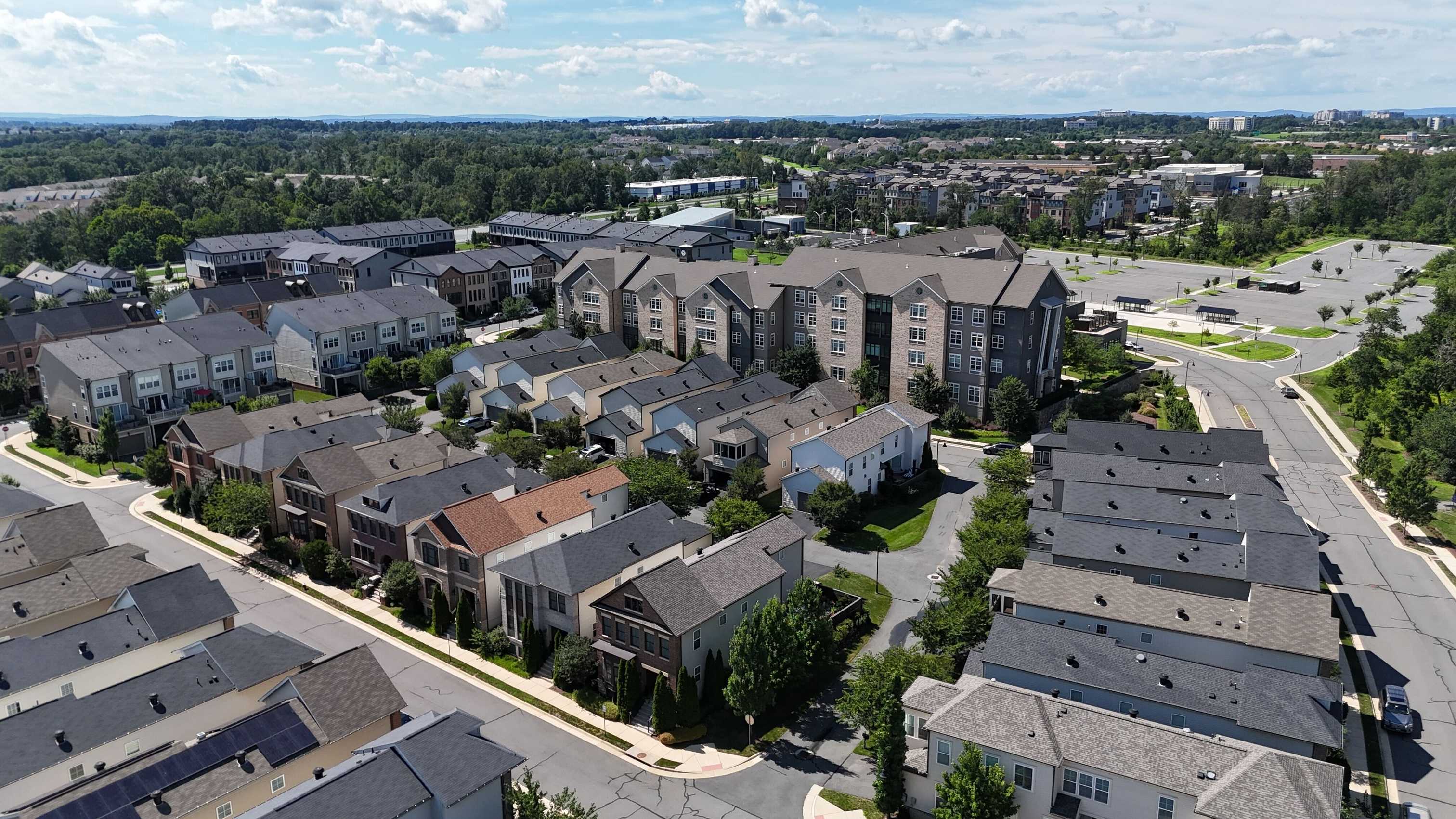
Keep cash for closing costs, the move, known work on the home and an emergency reserve before deciding how much to put down. A larger down payment can reduce borrowing costs, but it should not leave you unable to handle an ordinary repair or interruption in income.
In September 2026, I described hearing from buyers who were hesitating because of interest rates. The practical question is whether the purchase works with the payment and cash you have today. Do not make the plan depend on a future refinance: rates, qualification, equity and fees can change.
Start with cash you can actually spend
The Consumer Financial Protection Bureau's down-payment guide recommends setting aside other savings goals, moving and renovation money, and an emergency cushion before calculating available cash for closing. It gives three to six months of expenses as a rule of thumb for that cushion.
That is a starting point for a conversation, not a lender requirement or a promise that the amount fits every household. Consider how predictable your income is, what the inspection finds and which other obligations must continue after the move.
A hypothetical $650,000 purchase
This is a planning example, not a Northern Virginia median price, current listing, loan quote or recommended down payment. Suppose you have $100,000 available and are comparing a $650,000 home.
| Planning item | Example |
|---|---|
| Available cash | $100,000 |
| Emergency reserve retained | −$30,000 |
| Move and known initial work | −$10,000 |
| Illustrative closing-cost allowance | −$20,000 |
| Remaining for down payment | $40,000 |
The arithmetic leaves about 6.2% of the example purchase price for the down payment. Whether a loan is available at that amount, its total payment and any mortgage insurance must be confirmed with a lender. The $30,000 reserve and $20,000 closing allowance are assumptions, not quotes or universal targets.
CFPB describes typical closing costs as 2%–5% of the purchase price, separate from the down payment, while emphasizing that actual costs vary. On $650,000, that rough range is $13,000–$32,500. Replace the placeholder with estimates for your property and loan rather than treating this example as enough cash for every purchase. Source.

What a bigger down payment buys—and what it uses up
Ask your lender to compare two down-payment amounts for the same home and explain the difference in rate, mortgage insurance, fees and total monthly payment. Keep the assumptions consistent so the comparison answers one question at a time.
The tradeoff is access to cash. CFPB notes that money placed into a home is not easy to retrieve and that borrowing against equity has costs. A lower loan balance is useful; so is having money available when the home needs attention.
Make the local comparison property by property
For an Ashburn townhome, list the association charges and the maintenance you still handle yourself. For a Fairfax condo, review the association documents and ask what expenses are covered. For a detached home in Woodbridge or Haymarket, obtain estimates for the particular roof, HVAC or other work identified during inspection. These are comparison scenarios, not claims that homes in those communities have defects.
Also compare the everyday budget. A home with more space can change utility and maintenance costs; a different location can change your transportation routine. CFPB's homebuying budget guide includes taxes, insurance, association fees, repairs and utilities when evaluating affordability.
For a condo comparison, use our Northern Virginia relocation checklist to organize the wider location and ownership questions.
When to revise the plan
If a larger down payment makes the monthly payment manageable but empties your reserve, compare a lower purchase price or a later purchase alongside alternative loan structures. If retaining more cash makes the monthly payment uncomfortable, keeping the same home price may not solve the problem.
Bring your lender and agent the same budget: available funds, cash you intend to keep, expected move-in work and the payment you can carry. Revisit it when property-specific information changes.
Five common questions
Is my down payment the same as cash to close?
No. Budget for closing costs as well, and ask the lender and settlement provider to explain the funds needed and how deposits or credits are reflected.
Should everyone keep exactly six months of expenses?
No. Three to six months is CFPB's rule of thumb, not a personalized determination. Your obligations and income stability matter.
Is 20% down always the best decision?
Compare the actual loan costs and the cash left afterward. A percentage alone cannot decide what fits your household.
Can I count on refinancing to fix an expensive payment?
No. Choose a purchase you can afford under the loan available to you now; future refinancing is not guaranteed.
Are the example closing costs a quote?
No. Get estimates for the actual property, loan and settlement date and update your cash plan before committing.
Build the home search around your full budget
Talk with the Chris Colgan Team about buying in Northern Virginia. Share the areas you are considering, your timeline and the cash cushion you want to preserve so we can help compare homes within that plan.
Sign up for my Northern Virginia breaking-news newsletter
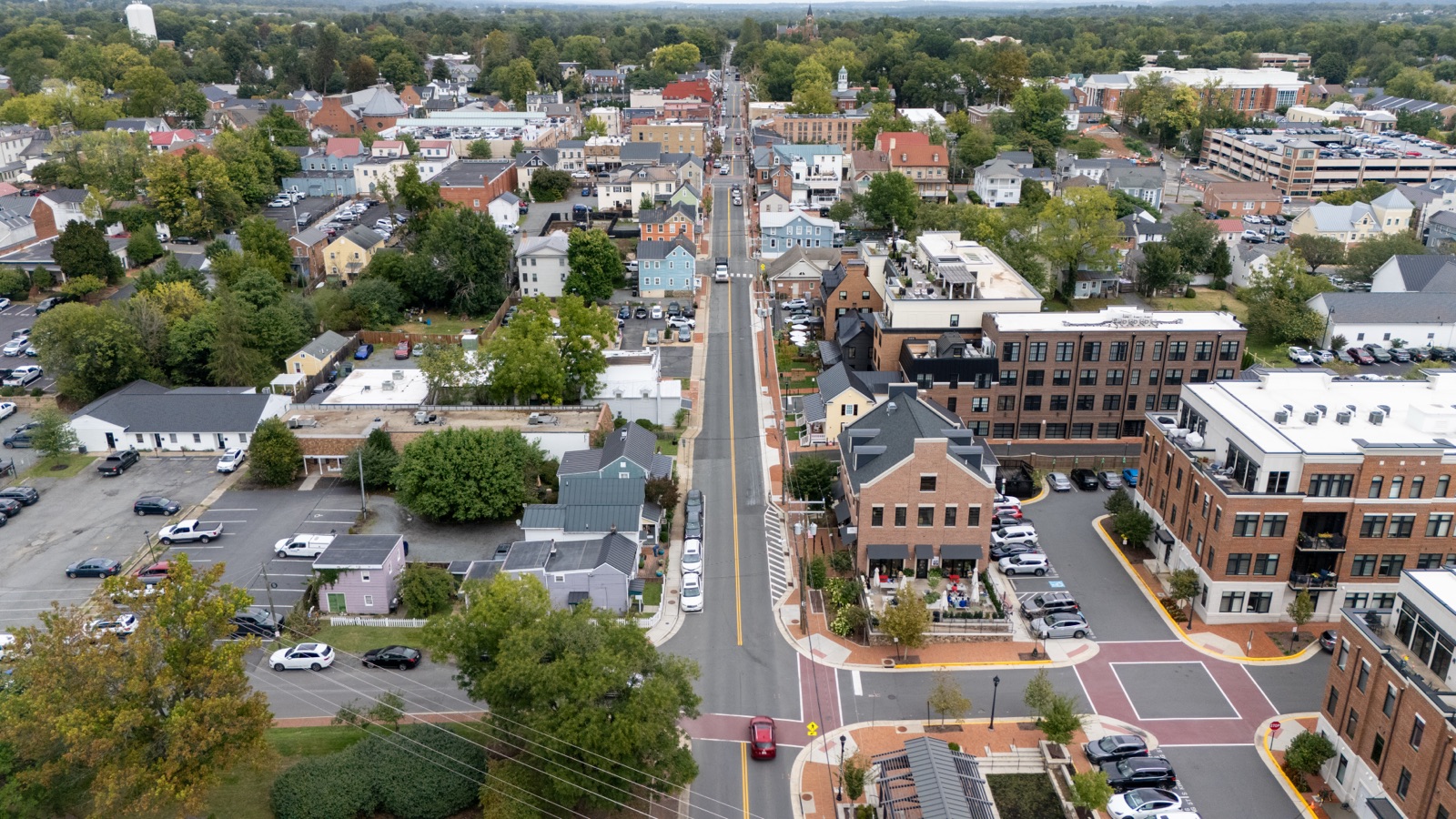
Prepared October 16, 2026. CFPB guidance checked on that date. Chris's rate-hesitation observation was supplied September 19, 2026. All example amounts are hypothetical. Representative local photos do not identify current listings or client purchases.
Chris Colgan
REALTOR® | Team Leader, Chris Colgan Team
Real Broker, LLC | Powered by PLACE
Call or text: 571-437-7575
Office: 571-621-7660
info@colganteam.com
8427 W Main St, Marshall, VA 20115
ColganTeam.com | ChrisColgan.com

Chris Colgan
Team Leader | Chris Colgan Team | REAL | PLACE
or another way