
Categories
Buyer Guides, Northern Virginia RelocationPublished October 8, 2026
Moving to Northern Virginia? 8 Relocation Mistakes to Avoid


The biggest mistake when moving to Northern Virginia is choosing a house before checking whether its location works for your commute, full monthly budget, and everyday routine. Before you commit, test the actual trip to work, verify transit and school assignments, read the association documents, and investigate nearby development. A beautiful house can still be the wrong purchase if living there creates a problem you deal with every day.
In my latest video, I explain eight things relocation buyers get wrong about this area. When I say there are places you should cross off your list, that list depends on you. Someone working in Alexandria may need a very different search area from someone working in Ashburn. The right answer starts with your life.
Watch: What Relocation Buyers Get Wrong About Northern Virginia
Watch the full 15-minute video on YouTube. This guide expands the video into checks you can use during your home search.
1. Falling for the house before testing the commute
A map can make Northern Virginia look much smaller than it feels from the driver's seat. Mileage alone misses the route, direction, departure time, and the last stretch between the highway and your office.
In the video, I talk about returning to Gainesville after filming a new-construction home in Alexandria. Even with light traffic and paid express lanes, the trip made me think about what doing that drive every day would feel like. That was my trip on one day, not a commute estimate for your move—but it is exactly why I want buyers to test their route before getting attached to a house.
Woodbridge to Fort Belvoir and Woodbridge to downtown Washington are different questions. So are Haymarket to a nearby office and Haymarket to Alexandria. Start with your actual workplace entrance, your required arrival time, and how often you have to be there.
- Test both the morning and evening trip on a normal workday.
- Compare the paid route with the route you would use without tolls.
- Include parking, walking, daycare stops, and any transfer.
- Decide what happens if your hybrid schedule becomes more office-heavy.
My advice: settle the commute question before you settle on the kitchen. Watch this section at 0:56.
2. Trading away transit without realizing it
More space can be worth a longer drive. The mistake is making that trade without understanding it.
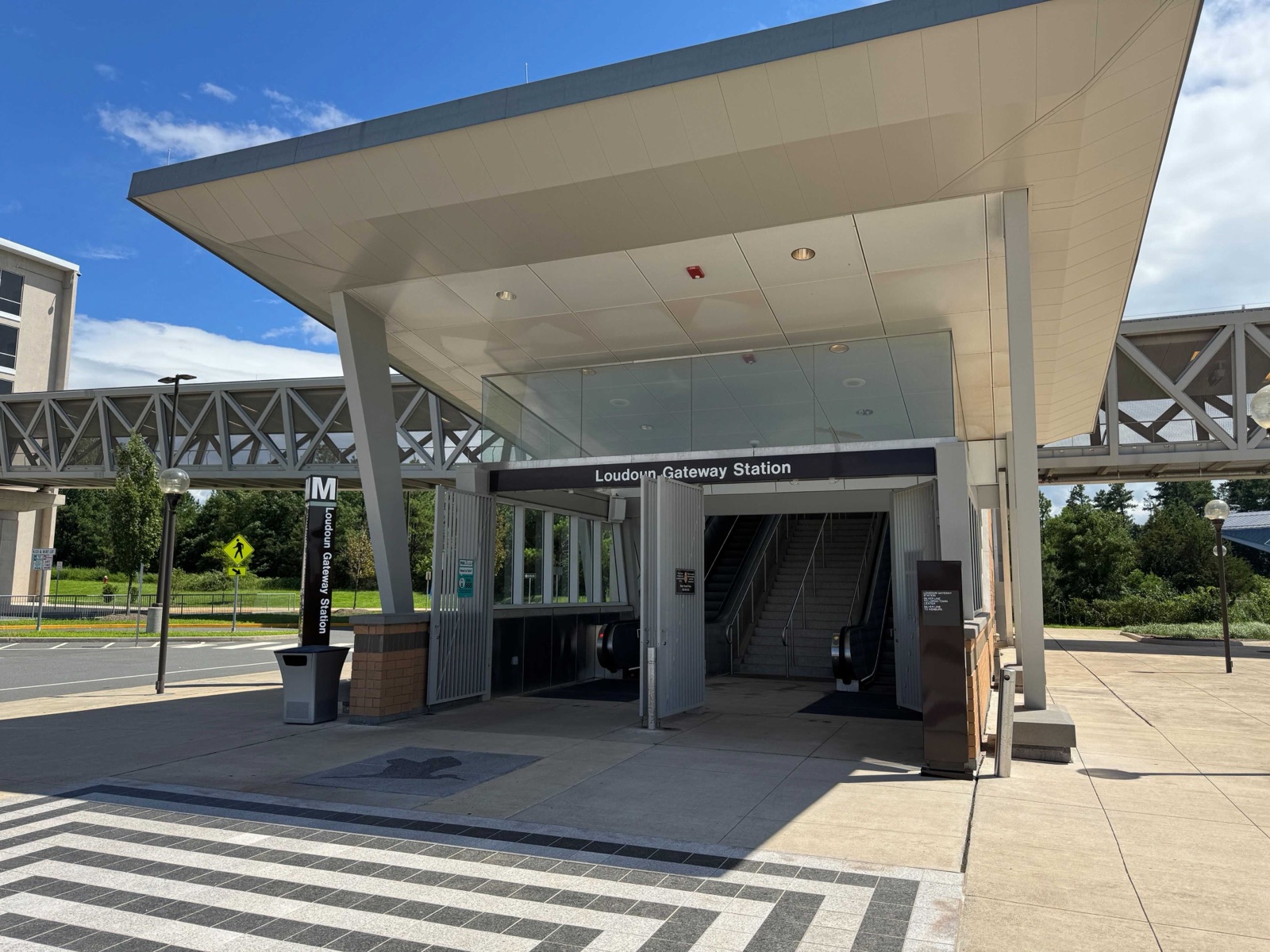
The Silver Line serves places including Ashburn, Herndon, Reston, and McLean. Woodbridge and Manassas have VRE commuter rail, which is a different service with its own stations and timetable. Centreville, Gainesville, and Haymarket do not have Metrorail stations. A home advertised as convenient to transit may still require a drive or bus ride before you board a train.
Use WMATA's rail and trip-planning tools and VRE's current passenger information and schedules for the actual address and work hours. Check the last usable return trip, too. Transit can be an excellent option when its schedule matches yours; simply having a station somewhere nearby does not establish that.
If you love the house farther out and are comfortable driving, that can be a good choice. If walking to rail is a requirement, make it a search filter from day one. Buy for the service that exists today rather than an assumed future extension.
3. Assuming a neighborhood name guarantees a school assignment
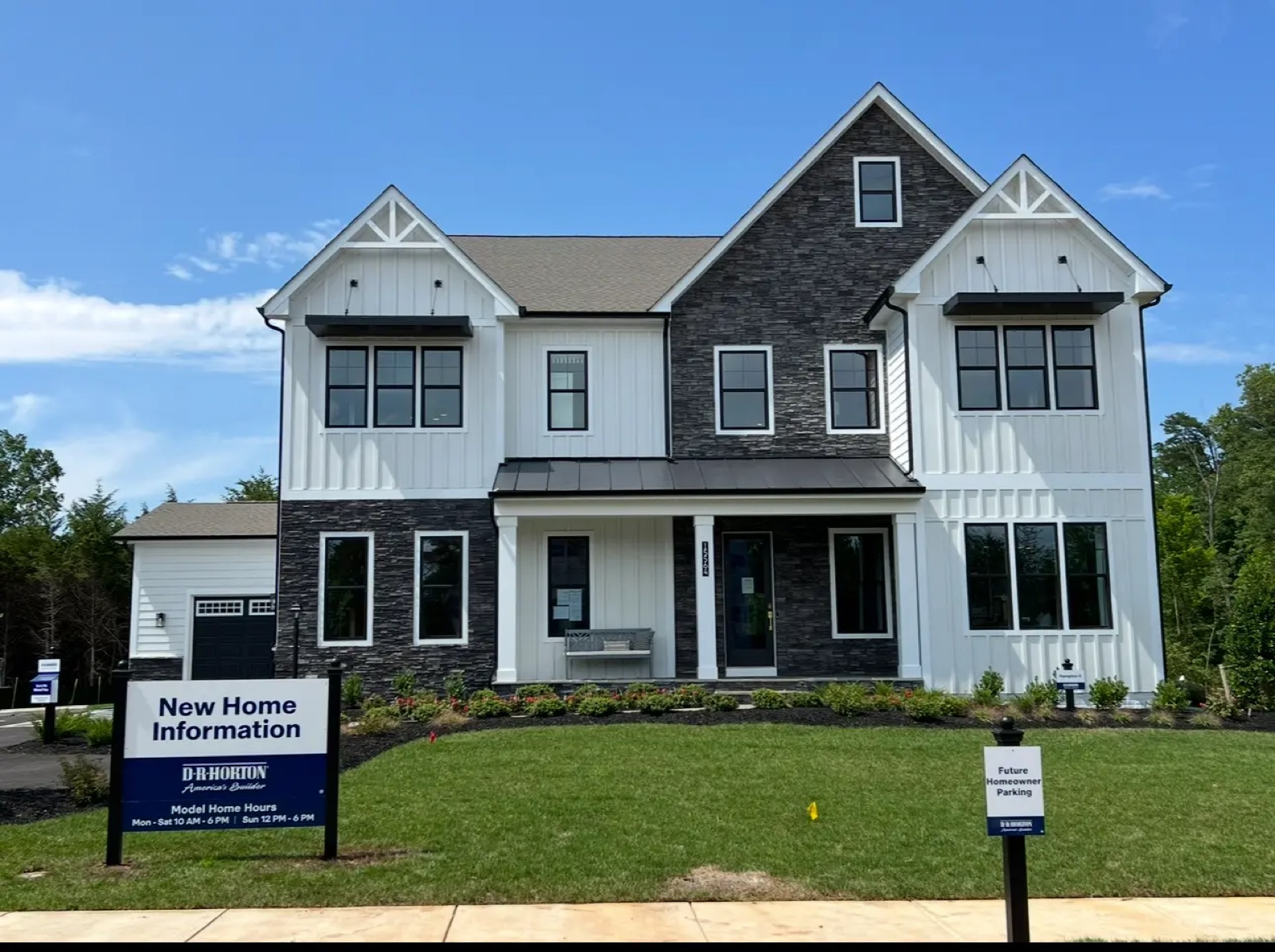
School research needs to reach the exact address. A mailing address, neighborhood reputation, or old listing is not enough to establish which schools serve a property.
One point I make in the video is that assignments can change as school systems respond to enrollment and capacity. Check the current school year, approved changes that take effect later, and any proposals still under consideration. Those are three different things.
For Fairfax County, start with the FCPS maps and attendance-boundary resources. Use the relevant school division's official tools for other jurisdictions and confirm questions directly with that division. If a particular program matters to you, ask about its eligibility and placement rules rather than assuming the home address settles everything.
Compare the services, programs, and daily logistics important to your household. A single rating does not tell you whether a school meets your needs, and no agent can promise that an assignment will remain unchanged.
4. Treating the mortgage as the entire housing budget
In the video, I bring up my own vehicle-tax bill and the tolls I pay traveling to appointments. Those are real expenses in my life that do not show up in a listing's mortgage estimate. Your numbers will be different, but they belong in the comparison.
For example, Fairfax County levies a vehicle personal-property tax and explains how valuation, tax rates, and applicable relief affect the bill in its vehicle-tax FAQ. Check the rules where you will actually live and keep vehicle tax separate from real-estate tax.
Build a monthly comparison that includes:
- Principal and interest, property taxes, insurance, and any mortgage insurance.
- HOA or condo dues, including what they cover and what you pay separately.
- Vehicle taxes, tolls, transit, parking, and fuel.
- Utilities and a realistic maintenance reserve.
- Known assessments or upcoming work that could change the budget.
Turn annual bills into monthly amounts so they do not disappear from the calculation. As a simple illustration, a hypothetical $1,200 annual expense adds $100 a month. Several overlooked bills can change which home is actually affordable.

Read the HOA or condo package before the deadline
My advice in the video is to look beyond the dues amount. What do the financials show? What major work is approaching? How will it be paid for? Are there rules or disclosed disputes that affect your plans?
Ask for help reviewing the resale certificate, budget, reserves, available meeting records, and assessments. Virginia's Department of Professional and Occupational Regulation provides resale-certificate resources. Confirm the applicable review and cancellation deadlines with your agent or attorney. For a closer look, read which condo issues to resolve before closing.
5. Assuming a bigger salary means more money left over
A job offer can look fantastic until you price the life that goes with it. In the video, I separate what a lender may approve from what leaves you comfortable each month.
Compare take-home income with the complete housing and transportation budget, then include the things you still want to do: save, travel, pay for childcare, or handle an unexpected repair. The lender's maximum is a financing boundary, not a requirement to spend that amount.
There is also a time cost. An extra 30 minutes each way adds five hours during a five-day commuting week. That is a hypothetical comparison, but it is a useful way to decide how much a location is worth to you. A lower purchase price may still be the right choice—just make the decision with both money and time on the page.
6. Treating every Northern Virginia neighborhood as interchangeable
Leesburg is one of my favorite places, and I mention its historic downtown, restaurants, and walkable pockets in the video. That experience differs from a car-oriented suburban location in Chantilly or a home with acreage farther west. Even within one county, your routine can change dramatically.
Walkability is address-specific. Being able to walk to coffee does not necessarily mean you can walk to groceries, work, or the activities you use most. Visit the places you would go on an ordinary Tuesday, not just the ones that look good during a weekend tour.
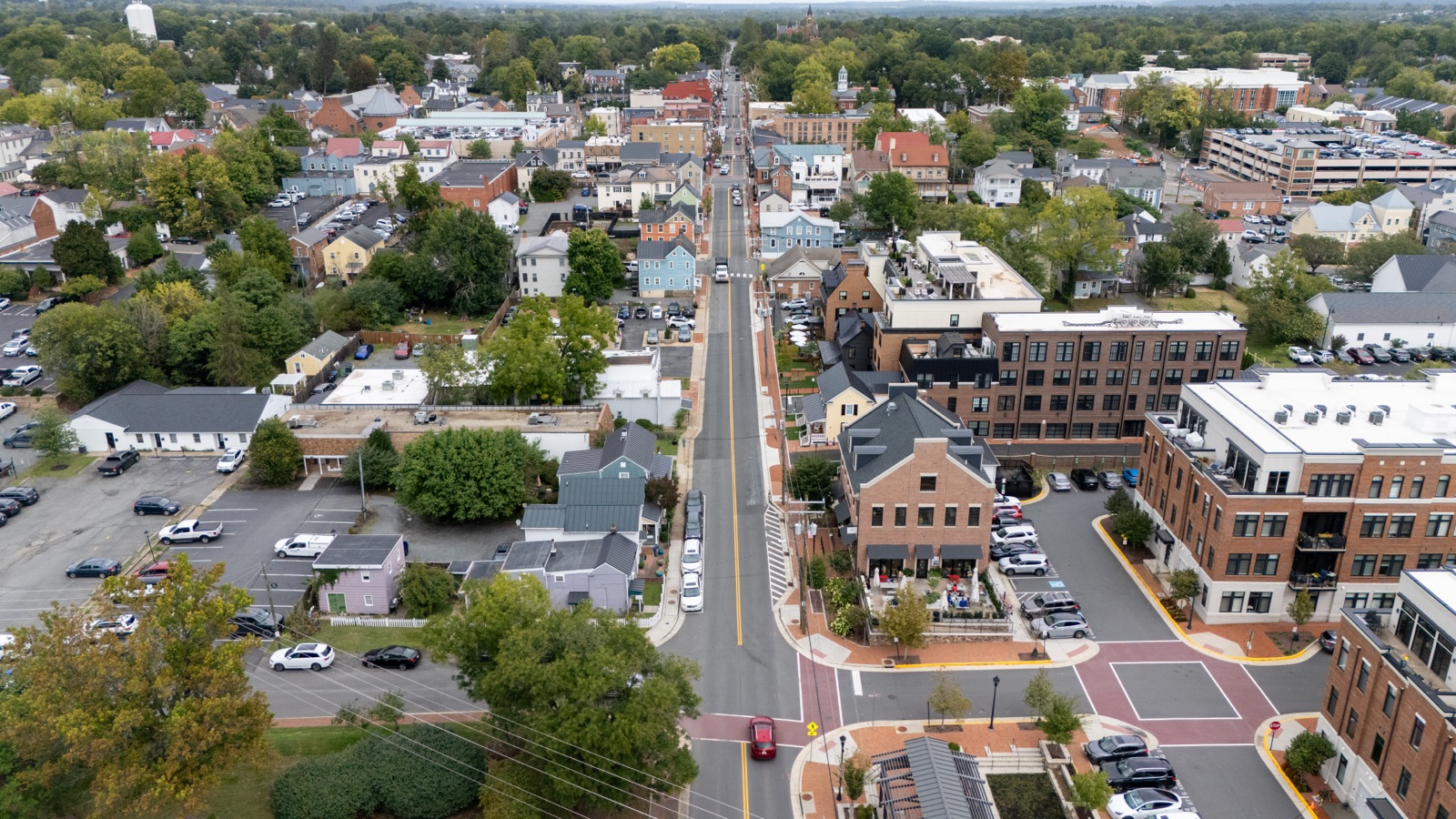
If Leesburg is on your list, start with our guide to living in Leesburg. If you are comparing a wider range of locations, our regional relocation guide provides a broader market and location comparison.
More land can mean different systems to own
I also discuss wells and septic systems in the video. If you have always used public water and sewer, learn what the specific property requires before you buy. Request records, arrange appropriate water testing and professional inspections, and understand maintenance responsibilities.
The Virginia Department of Health's septic-system buyer guide explains the importance of permits, system capacity, maintenance history, and inspections. VDH recommends inspection by a licensed professional even when it is not required. Do not assume extra land means you can add bedrooms without checking the system's permitted capacity.
Your expected length of ownership belongs in this decision, too. In the video, I urge short-term movers to consider renting. The detailed comparison depends on transaction costs, maintenance, financing, and the risk of selling sooner than planned. See should you buy if you might move again in two years?
7. Touring in one season and forgetting the other three
I enjoy having four seasons here. But a pleasant spring visit does not tell you everything about owning the house through humid summers, heavy rain, and winter ice.
When you tour, look beyond the finishes. Ask about heating and cooling equipment, service history, drainage, insulation, and the condition of exterior surfaces. Have qualified professionals evaluate concerns and estimate needed work. Budget from the home's actual condition rather than assuming every system follows the same replacement schedule.

My video also raises an easily missed issue: road maintenance. Before buying on a private road, establish who maintains it, how costs are shared, and who handles snow. Having no HOA does not automatically mean there are no shared obligations. Review the recorded documents and confirm responsibility; VDOT explains that road-related systems may be maintained by the state, localities, associations, or private owners.
8. Assuming the trees behind the house will always be there
An empty parcel is not a promise. This is one of the most important points in my video, particularly for buyers concerned about data centers, substations, power lines, roads, or other future development.
Research beyond the lot you are buying. Identify nearby parcels, existing zoning, pending applications, approved plans, and recorded easements. Ask what each document actually establishes. A proposal is not an approval, and an approval does not tell you an exact construction date.
Loudoun County's property and land-use resources link to its development maps and land-application tools. For a property elsewhere, use that jurisdiction's planning records and contact staff about unclear entries.
Visit the area at different times and separate what you can observe today from what the records suggest may change. Neither a map nor a site visit guarantees future conditions. Read our guide to buying near a data center for more questions to ask.
My before-you-tour relocation checklist
- Define your week: workplace, office days, recurring appointments, and regular destinations.
- Set a comfortable total budget: include housing, transportation, annual taxes, and maintenance.
- Choose your tradeoffs: space, land, walkability, rail access, and time in the car.
- Verify each finalist: school assignment, association obligations, utilities, and nearby plans.
- Test it in person: commute, errands, parking, and the neighborhood at different hours.
A home farther out can be a strong fit when you value the space and accept the travel. A smaller home near transit may be a better fit when access matters more than square footage. Acreage can work well when you want land and are prepared for its maintenance. The wrong fit is a home that only works if you ignore one of your non-negotiables.
Frequently asked questions
What is the biggest mistake people make when moving to Northern Virginia?
Choosing the house before testing the location. Start with the actual commute, complete budget, and everyday destinations, then choose homes within the areas that work.
Do Woodbridge, Manassas, Gainesville, and Haymarket have Metro?
They do not have Metrorail stations. Woodbridge and Manassas have VRE stations; bus and driving options vary by address. Compare the current routes and operating times with your work schedule.
What costs should I check beyond the mortgage?
Property taxes and insurance, HOA or condo dues, vehicle taxes, commuting costs, utilities, and maintenance. Check for assessments and understand which expenses the association covers before comparing homes.
Can school assignments change after I buy?
Yes. Verify the current assignment with the school division and ask about approved future changes and proposals. Neither a listing nor an agent can guarantee a permanent school assignment.
How do I find out what could be built near a home?
Review surrounding parcels, zoning, land applications, approved plans, and easements through the relevant county or city. Ask planning staff to clarify the project's status. Keep proposed, approved, under-construction, and operating projects separate.
Tell me where you work before we pick where you live
If you are planning a move, talk with my team about buying in Northern Virginia. Send us your workplace location, how often you commute, your comfortable budget, and your move timeline. We can use those details to narrow your search before you spend a weekend touring homes that will not fit your life.
Sign up for my Northern Virginia breaking-news newsletter.
Based on Chris Colgan's video, What Relocation Buyers Get Wrong About Northern Virginia. Supporting resources checked October 7, 2026. Local photographs: Colgan Team photo library. Cover: Chris Colgan's video thumbnail.
Chris Colgan
Chris Colgan
REALTOR® | Team Leader, Chris Colgan Team
Real Broker, LLC | Powered by PLACE
Call or text: 571-437-7575
Office: 571-621-7660
info@colganteam.com
8427 W Main St, Marshall, VA 20115
ColganTeam.com | ChrisColgan.com

Chris Colgan
Team Leader | Chris Colgan Team | REAL | PLACE
or another way