
Categories
Buyer Guides, Northern Virginia Real EstatePublished September 23, 2026
Should You Buy a Northern Virginia Home Near a Data Center?

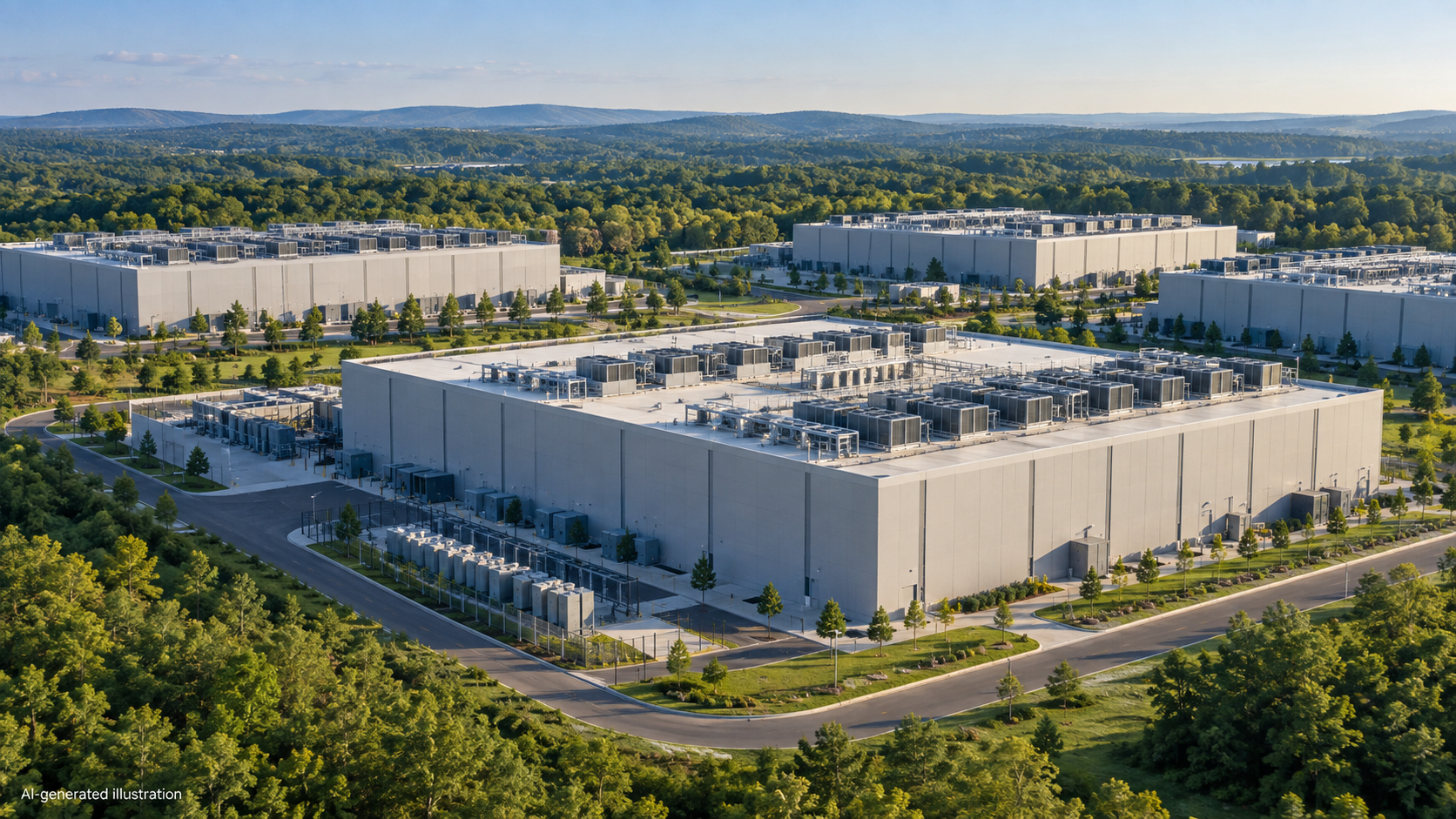
Cover image: AI-generated aerial illustration inspired by Ashburn-area data centers. It does not depict an actual facility or establish its location, surroundings or noise conditions.
Buying a Northern Virginia home near a data center can make sense if the home's actual surroundings, noise, price and future development plans fit your needs. It is a poor fit if you already dislike the sound or view, or you need a promise that nearby land will never change. A map pin alone cannot make that decision for you.
By Chris Colgan | September 23, 2026
I hear from out-of-state buyers who tell me up front that they do not want to live near a data center. My advice is to make that preference part of the home search before getting attached to a house. You do not need to win an argument about the industry to decide what you want outside your own window.
Start with your daily life, then look at the map
Someone who works from home and spends evenings on a deck may weigh the surroundings differently from someone who mainly wants a shorter commute. Neither buyer is wrong. Write down your dealbreakers before touring: audible mechanical sound, a large building in view, construction uncertainty, or simply being close to industrial land.
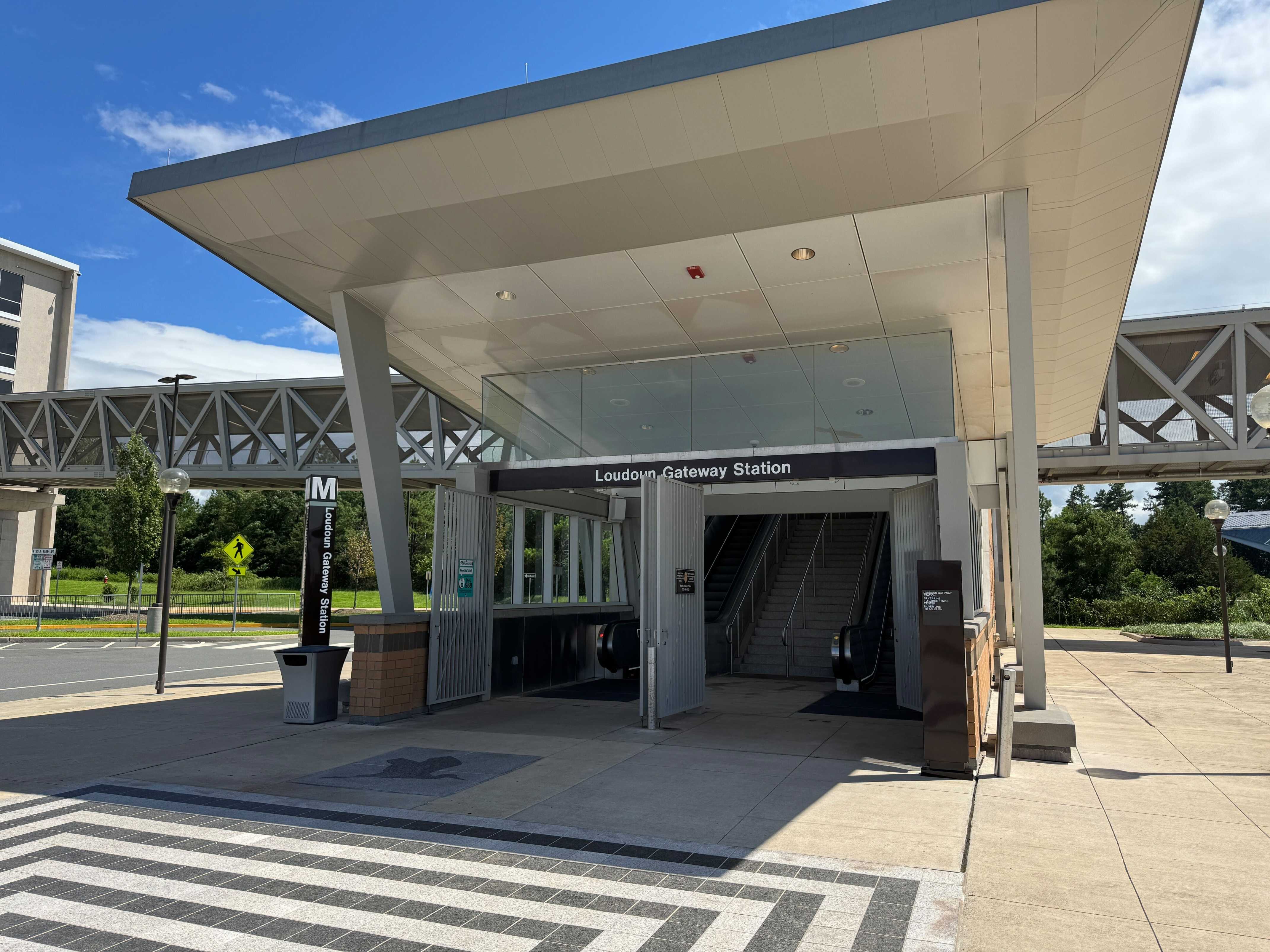
In Ashburn, compare the home itself with the access to work, Metro and everyday destinations you would actually use. In Gainesville or Haymarket, give the same attention to the backyard, nearby construction and the roads you would drive. Avoid labeling an entire town good or bad based on one project.
What Chris's clients have asked
I helped a couple moving from California to Culpeper who wanted to know about data centers near the homes they were considering. I researched an overlay district and found them a home away from that area. Their preference shaped the search.
That experience is not a guarantee about every Culpeper property. An overlay boundary is a planning tool, not proof that every parcel will be developed, and being outside one does not guarantee that nothing nearby can change. The lesson is to research the actual address and surrounding parcels.
I have also heard from homeowners considering selling because of humming noises. Those conversations are a reason to take a buyer's concern seriously; they do not establish a measured sound level or a particular effect on sale price.
Listen before you make an offer
Virginia's December 2024 JLARC data-center report found that persistent low-frequency sound from some facilities troubled nearby residents, while the large majority of facilities did not generate noise complaints because of location or design. The report also explains why ordinary noise limits may not fully capture the sound residents find bothersome.
For a buyer, that means a facility's presence and a comfortable backyard are separate questions. My practical checklist is:
- Visit more than once, at different times, with permission to access the property.
- Spend quiet time in the yard and the rooms where you would sleep or work. Turn off music during the visit.
- Ask about nearby equipment, operating facilities, construction and any future phases.
- Ask residents what they experience, then verify specific claims with the responsible locality or operator.
- If sound is a deciding factor, consider a qualified acoustical professional. A brief visit or phone recording is not a prediction of every future condition.
Do not buy on the assumption that you will get used to something that already bothers you. A seller credit changes your costs; it does not change the location.
Will being near a data center hurt resale value?
George Mason University's August 2025 study by Keith Waters and Terry Clower analyzed 2023 Bright MLS home sales and data-center locations built or permitted by August 2024. It found no evidence that proximity lowered Northern Virginia home values on average.
That is useful evidence against assuming an automatic discount. It does not prove that a particular home is unaffected or that data centers cause appreciation. The model lacked a suitable measure of home condition and did not measure the sound at each home. It also is not a forecast for projects that were not part of its data.
Before deciding what to offer, compare recent similar sales, competing listings, condition, concessions and the property's actual exposure. Do not subtract an arbitrary percentage just because a facility is nearby. Do not pay a premium based on a promise that the industry will protect your resale value either.
Separate what exists from what might be built
An operating facility, a permitted project and a proposed rezoning are different things. Empty land today is not a promise of an empty view later. Ask for parcel numbers, application status, approved plans and conditions; have the planning office clarify anything ambiguous.
Use our guide to checking planned data centers near a Northern Virginia home for the research process. Record when you checked, because applications and plans can change. The question here is what you can comfortably accept after that research.
When would I keep the home on the list?
I would keep evaluating it when the location works, you are comfortable during repeat visits, you understand the nearby development status, and the asking price makes sense against current alternatives. There may be a perfectly reasonable tradeoff between the surroundings and a home that better meets your budget, layout or commute needs.
I would keep looking when you need certainty that no future development can occur, dislike the present sound or view, or feel pressured to dismiss your concerns because the kitchen looks great. If key questions remain unanswered, resolve them before making a commitment you cannot comfortably unwind.
Five common buyer questions
1. How far away from a data center should I live?
There is no universal distance in these sources that guarantees your comfort. Evaluate the particular facility, surrounding land and experience at the house instead of treating a radius as a promise.
2. Does every data center create a noise problem?
No. The JLARC findings distinguish facilities with reported problems from the much larger group without complaints. Check the location you are considering.
3. Should I expect a lower purchase price?
Not automatically. The regional study does not support a blanket discount. Your offer should reflect comparable homes and the specific property's strengths and drawbacks.
4. Is a quiet showing enough?
It is helpful, but one visit cannot tell you every operating or future construction condition. Return at different times and investigate proposed or approved changes.
5. What if I own a home nearby and want to sell?
Start with accurate project information and a realistic pricing comparison. Our guide to selling a Northern Virginia home near a data center covers the seller side, and you can talk with our team about selling.
Let's compare the homes and the surroundings
Tell us where you want to live and what you want to avoid. Explore buying a home with the Chris Colgan Team, and we can help organize the questions about location, nearby plans and comparable options before you choose a home.
Sign up for my Northern Virginia breaking-news newsletter.
Chris Colgan
REALTOR® | Team Leader, Chris Colgan Team
Real Broker, LLC | Powered by PLACE
Call or text: 571-437-7575
Office: 571-621-7660
info@colganteam.com
8427 W Main St, Marshall, VA 20115
ColganTeam.com | ChrisColgan.com

Chris Colgan
Team Leader | Chris Colgan Team | REAL | PLACE
or another way