
Categories
Home Selling Tips, Northern Virginia Real EstatePublished September 21, 2026
How Do You Sell a Northern Virginia Home Near a Data Center?

To sell a Northern Virginia home near a data center, prepare clear answers about the specific site, price against genuinely comparable homes, and make the property's daily-life tradeoffs easy for buyers to evaluate. Don't assume a standard discount applies. Don't promise buyers that noise, construction or future development will never be an issue.
By Chris Colgan. Sources reviewed September 21, 2026.
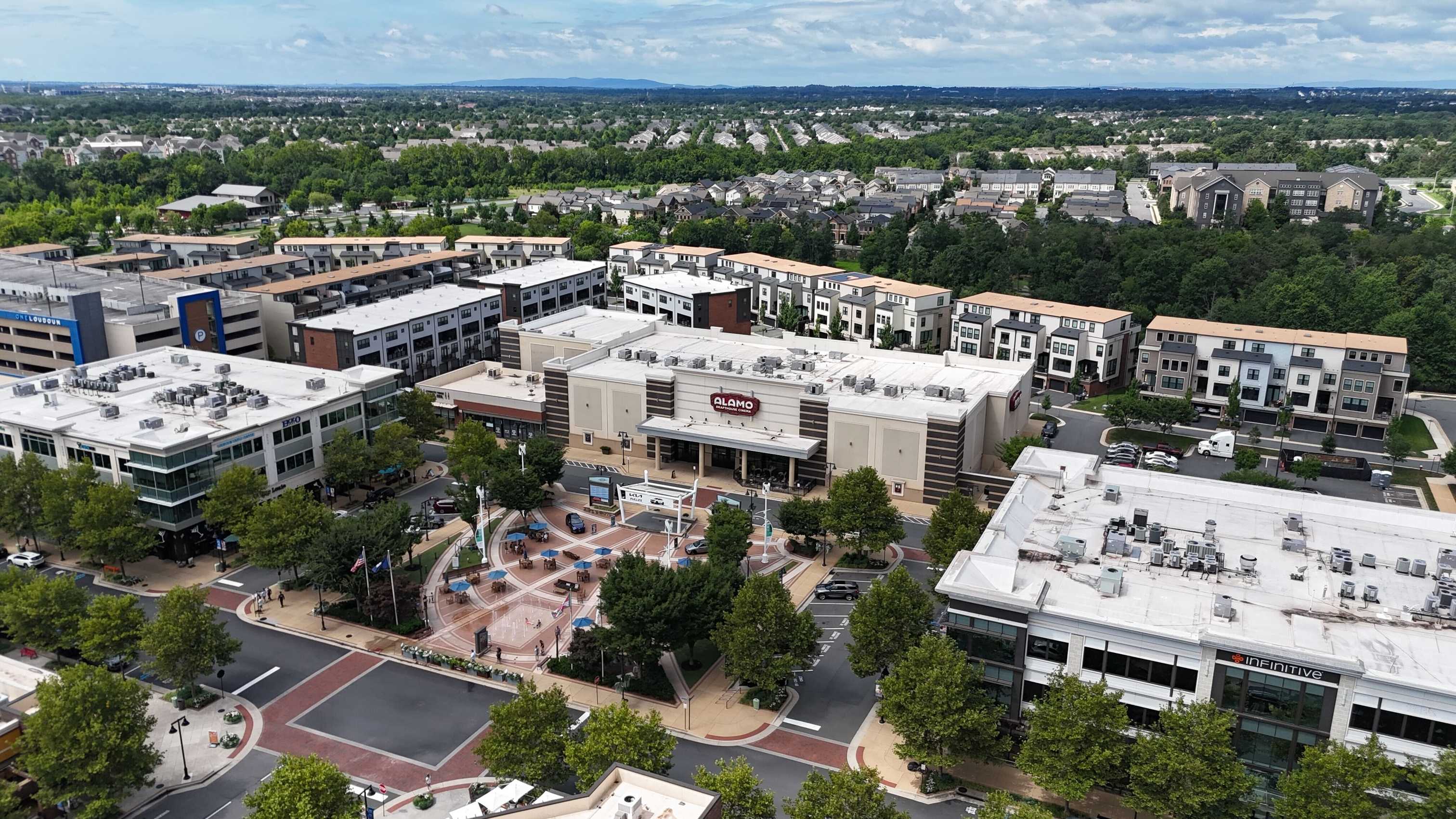
Cover photo: One Loudoun in Ashburn, shown for area context. It does not identify a data center or an affected property.
Start with the concern buyers are actually raising
I'm hearing from out-of-state buyers who don't want to live near data centers. I've also heard from homeowners considering selling because of humming noises. Those are real conversations I've had. They aren't a measurement of how every Northern Virginia home is affected, and they don't establish a percentage loss in value.
If you're thinking about selling in Ashburn, Gainesville, Haymarket or another nearby community, the useful question is what a buyer will discover about your particular home. Is the concern an existing sound, a view, construction traffic, an approved expansion, or uncertainty about an empty parcel?
Those concerns need different answers. A pretty listing photo can't answer all of them.
Build a short, factual information packet
Before listing, gather the address and parcel information for the nearby facility, its current project status, and links to relevant official records. Keep proposed, approved, under-construction and operating projects separate.
Include dated source links rather than an unsupported statement that a project is “dead” or that nothing else can be built. If there are unresolved questions, identify them. Our guide to checking planned data centers near a Northern Virginia home explains the official map and application-record starting points.
- For an operating facility: What do you personally notice, where and when? Keep your observations separate from verified technical findings.
- For construction: What work is currently documented, and which phases remain uncertain?
- For a proposed project: What is the application number, current status and most recent official plan?
- For a reported resolution: What document confirms the work or decision, and what does it actually cover?
For an Ashburn seller, that could mean checking a particular Loudoun application. For a Gainesville-area seller, it could mean locating the correct campus in Prince William's records. Neither situation is answered by a regional headline about a different development.
Price the house using evidence, not a guessed data-center penalty
My agents have been telling me about sellers having a harder time, and my advice is to be realistic about price. That doesn't mean every town, price range or property type has the same market.
For this home, ask your agent to compare recent closed sales, current competition and available buyer feedback. Discuss condition, layout, lot, location and the surrounding development together. A sale across the county with a different setting is not automatically a useful comparison.
I would want the pricing discussion to answer three questions:
- Which homes would a buyer realistically compare with this one?
- What important differences explain the price range?
- What evidence would make us reconsider the asking price after launch?
If comparable evidence is thin, say so. A buyer's objection does not prove a fixed dollar adjustment. Equally, ignoring a repeated objection won't make it disappear.
What does George Mason's study say about home values?
An August 2025 study by Keith Waters and Terry Clower at George Mason University's Center for Regional Analysis examined 2023 Northern Virginia home sales from Bright MLS, using data-center locations built or permitted by August 2024. Its models found no statistical evidence of an average negative relationship between proximity to data centers and housing values.
That is useful evidence against assuming every nearby seller needs a discount. The models actually associated closer proximity with higher prices, after accounting for the included characteristics. That association does not prove that building a data center increases a home's value.
The limits matter: this was a regional analysis of 2023 sales, not a valuation of your property or a forecast for today's market. The authors note that suitable home-condition data were unavailable. The model also did not directly measure noise at individual homes.
My practical takeaway: use the study to challenge blanket claims, then price your home with current local comparisons and address its specific buyer concerns.
Take noise questions seriously without making unsupported claims
Virginia's JLARC report, Data Centers in Virginia, December 2024, describes persistent noise concerns at some facilities and notes that a large majority did not generate noise complaints because of location or design. That statewide historical finding does not establish conditions at your home today.
Tell your agent about relevant complaints, correspondence, assessments and changes you have observed. If a technical assessment is needed, use a qualified professional and preserve its scope and date. Don't call the house soundproof because the windows are newer, or claim that landscaping will eliminate a particular sound without evidence.
Allow buyers a reasonable opportunity to evaluate the property. A brief quiet visit is a snapshot. If an adjoining campus has unfinished phases, distinguish today's conditions from unknown future conditions.
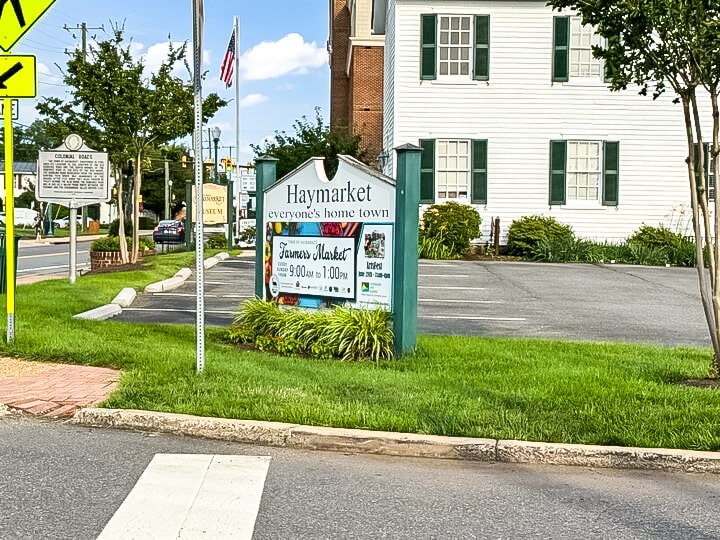
Downtown Haymarket. Area context only; this photograph does not identify a property affected by data-center development or noise.
Present the home honestly and improve what you can control
Cleanliness, maintenance, accurate photos, useful floor plans and convenient showing access all deserve attention. Show buyers the spaces they will use and the actual outlook from those spaces. Marketing should explain the home's strengths without disguising its surroundings.
Before spending money, separate ordinary preparation from a proposed solution to a location concern. Decluttering may make a room easier to understand. It won't answer a question about a nearby project. A fence may provide privacy; whether it is allowed or would address a sound concern needs separate verification.
Ask for written quotes and decide which work has a clear purpose within your budget. Don't assume you will recover every dollar in the sale.
Handle disclosures and buyer questions carefully
Virginia's official residential property disclosure notice advises buyers to investigate adjacent parcels, including zoning and permitted uses. The same state page also links to affirmative disclosure requirements for particular situations.
That is not a blanket instruction to withhold information. Review the current requirements, your specific circumstances and proposed marketing statements with your agent and, where needed, a Virginia real estate attorney. Answer accurately and don't misrepresent a known condition or a document's meaning.
Review feedback by issue after launch
Track what buyers actually say: price, condition, layout, location, noise, project uncertainty or something else. Keep a separate category for no response. Silence isn't proof that the data center is the problem.
Then match the response to the issue. Missing project information calls for better documentation. A presentation problem calls for better presentation. A price mismatch calls for a fresh comparison with competing choices. Several buyers raising the same concern deserves attention, but it still isn't a statistical study of the neighborhood.
When does selling make sense?
Selling may be worth exploring when the home's surroundings no longer fit your daily life and the move works financially. Compare your likely net proceeds, moving costs and the cost of the next home before deciding.
Waiting may be worth considering if your present home still works for you and moving would create a larger financial burden. Waiting also carries uncertainty: there is no promise that a proposed project will disappear or that future buyers will view the location differently.
Watch: Understand the data-center questions buyers ask
My August 2026 video explains zoning-map checks, planned development and the concerns buyers raise about nearby data centers. For sellers, it provides context for preparing property-specific answers.
Watch my data-center video on YouTube.
Five frequently asked questions
Do I have to discount my home because a data center is nearby?
There is no universal discount supported for every property. Use relevant sales, competing listings and the home's particular setting to establish a defensible asking range.
Should I list before a nearby project is finished?
Compare your personal timeline and moving costs with the project's documented status. There is no guaranteed price advantage to listing before completion, and future conditions may remain uncertain.
Will the same pricing strategy work for every home near a data center?
No. Compare the specific property with relevant recent sales and competing listings, and review the documented status of nearby development. Avoid treating a countywide trend as a valuation of your home.
What information should I gather before listing?
Start with the project name, county planning records, approved plans where available, and what you have personally observed. Separate documented facts from rumors and questions that still need answers.
Can you help me decide whether selling makes sense?
Yes. My team and I can review comparable homes, your timing and the questions buyers are likely to ask, then discuss a pricing and marketing plan for your property.
Your next move
Thinking about selling a Northern Virginia home near a data center? Contact me with your property address and timeline, or request a home-value review. Let’s compare the evidence and build a plan around your goals.
Chris Colgan
Team Leader | Chris Colgan Team
Real Broker, LLC | Powered by PLACE
Serving Northern Virginia and the DMV
Call/Text: 571-437-7575
info@colganteam.com
ColganTeam.com | ChrisColgan.com

Chris Colgan
Team Leader | Chris Colgan Team | REAL | PLACE
or another way