
Categories
Buyer Guides, Northern Virginia Relocation, Home Buying TipsPublished September 20, 2026
How Do I Check Whether a Data Center Is Planned Near a Northern Virginia Home?

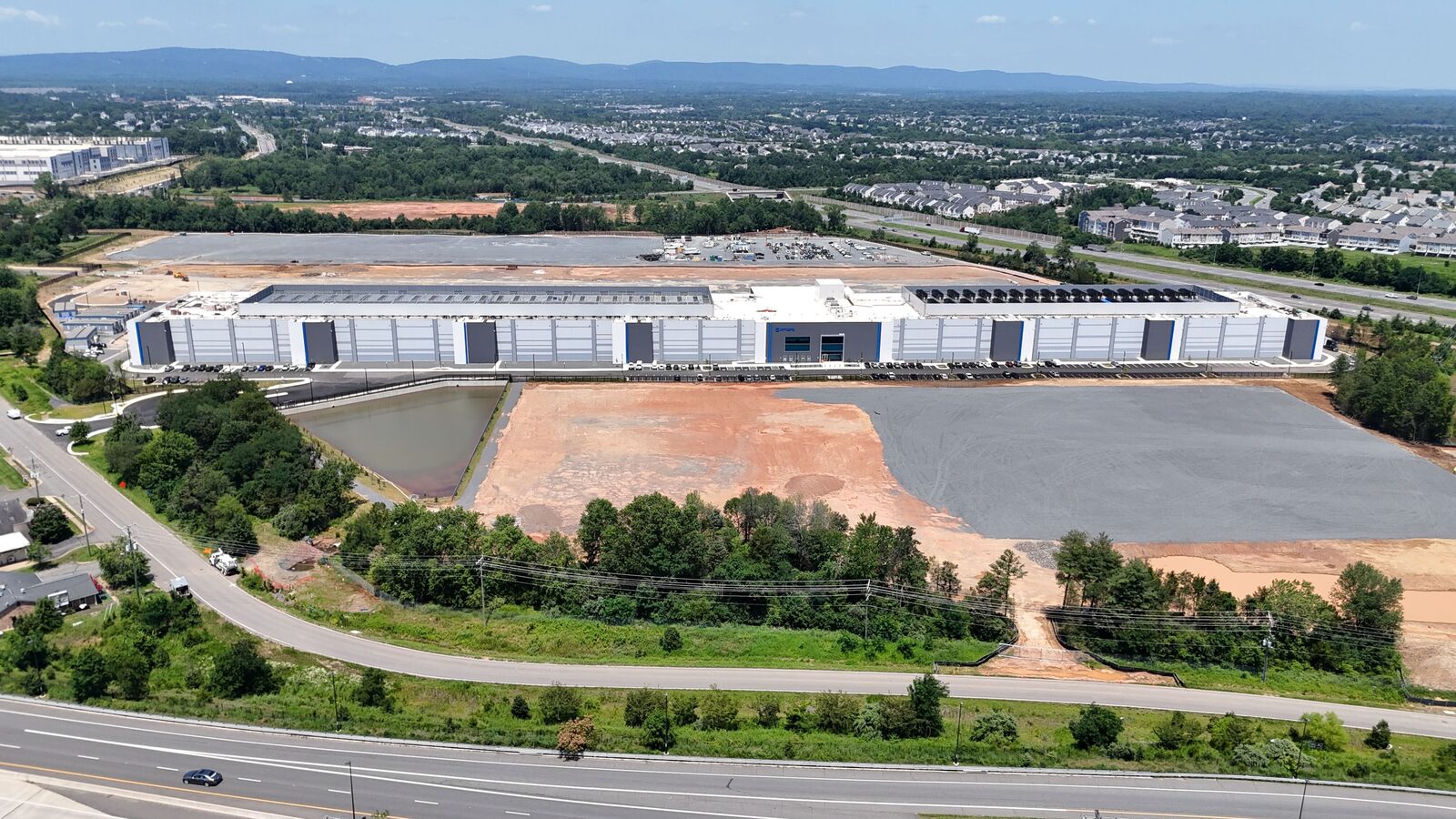
Check the property's jurisdiction, the surrounding parcels' zoning, and the actual development applications—not just a map of buildings that already exist. Start with the official local tools below, save the case numbers, and ask planning staff to explain anything unclear. A proposal, a zoning approval, and an operating data center are different things.
Research checked September 20, 2026. Project status and zoning rules can change.
If you don't want to live near a data center, say that before we start narrowing down houses. The kitchen can be perfect and the surrounding land can still make the home a poor fit for you.
Why I check beyond the listing photos
I helped a couple moving from California to Culpeper who wanted to know whether a home would be near a data center. I researched an overlay district and found them a house away from that area. That was their preference, and it mattered to their search.
I also hear from out-of-state buyers who want to avoid data centers. Some homeowners have told me they are considering selling because of humming noises. Those conversations are a reason to investigate a specific location. They are not proof that every nearby home has a noise problem or loses value.
My advice: check the land around the house before you get attached to it. Here is the process I recommend.
1. Find the jurisdiction and parcel number
Use the local property or GIS record to identify the parcel and the government that handles its zoning. A mailing address is a starting point, not a substitute for checking jurisdiction. In places such as Culpeper, distinguish town records from county records. If the site is near a boundary, check the neighboring jurisdiction too.
Save the home's parcel number and identify the larger adjoining parcels. Search those parcels separately. A project may use the address of an entrance on another road, so searching only the home's street address can miss it.
2. Use the official maps for the area
Ashburn and the rest of Loudoun County
Loudoun's Data Center Standards & Locations page links to its existing and proposed data-center map, current zoning materials, and LandMARC application information. Begin there for a home in the county, including an Ashburn or Leesburg-area search.
Check whether a nearby site is existing or proposed, then locate the underlying application. Loudoun also has a grandfathering framework for certain older applications. Don't assume that today's general approval process tells you the status of an older project; ask staff which rules apply to that case.
Gainesville, Haymarket-area and other Prince William County searches
Open Prince William County Mapper or the Build-Out Analysis dashboard. The county's February 10, 2026 explanation identifies two useful layers: Data Center Buildings and Data Center Campuses.
Turn on both. Read the pop-up details for development status, zoning and associated case numbers. The dashboard also has separate building and campus tables. County Mapper supports address and parcel searches. Confirm that your property's jurisdiction is covered by the tool before relying on the results.
For a Gainesville-area house, research the actual parcels around that house. A headline about a different campus does not establish what can happen behind your backyard.
Fairfax County
The county's Maps and Geographic Applications page and Planning and Development department provide official starting points. The department links to the PLUS application portal and planning staff contacts.
Use the surrounding parcel information to locate relevant applications and ask staff about zoning, approved plans and pending changes. Be specific about whether the property falls in county or town jurisdiction, particularly when using a Herndon mailing address.
Culpeper
Start with Culpeper County's GIS resources when the parcel is in the county. For a town parcel, ask town planning staff for the current zoning map and applicable overlay information. My client's story does not identify a district boundary for your home. Each address needs its own check.
3. Separate a map designation from an approved project
These are the questions I would write beside every nearby site:
- Planning designation or overlay: What does it allow or guide, and what other approvals would this parcel need?
- Application submitted: What is being requested? Is the proposal still under review, withdrawn, deferred or decided?
- Zoning approval: What exactly was approved, and what conditions or later steps remain?
- Site plan or building activity: Which buildings, equipment areas, entrances and phases are shown in the current documents?
- Completed or operating: Is the entire campus operating, or could additional phases change what you experience?
Don't treat a colored overlay as a construction schedule. Don't treat an empty field as permanent open space. And don't treat a missing map symbol as a promise that no future application can be filed.
4. Ask for the documents that affect daily life
A project name alone won't tell you what your patio or bedroom will feel like. Ask for the latest available site plan, approval conditions, landscape or screening plan, and any project-specific noise materials. Ask where equipment, service roads and later phases would sit in relation to the home.
Here is a useful question to send planning staff: “I'm researching a home near parcel [number]. Can you confirm the current application status, approvals, remaining reviews, and where I can find the latest plans and conditions?” Add the case number when you have it.
Keep the reply and its date with the documents. If a plan is difficult to interpret, get clarification before treating it as a settled answer. This review supports your decision; it cannot guarantee how a parcel will be used forever.
5. Visit the home and decide what you can live with
If a facility already exists, visit the property at different times with permission. Spend time outside, not just in the kitchen during a quick showing. Ask neighbors about what they notice and when. Their observations can guide further questions, but they do not replace verified project records or professional sound assessment when that is needed.
For a proposed project, today's quiet visit cannot show you future operating conditions. A distance measured on a map is useful context, but I would not label a home “noise-free” or “safe from future development” based on a fixed radius.
The tradeoff is personal. One buyer may value access to Ashburn's daily conveniences enough to keep researching a particular home. Another may decide that uncertainty about nearby industrial development is a dealbreaker. Both should make that choice with the actual records in front of them.
Keep a simple research sheet for each serious contender
- Home address, jurisdiction and parcel number.
- Nearby project names, parcels and case numbers.
- Current status, source link and date checked.
- Latest plans reviewed and questions still unanswered.
- Site-visit observations, staff response and next review date.
Recheck before your buying decision and relevant contract deadlines. Discuss any needed due-diligence arrangements with your agent. Do not assume a standard home inspection answers off-site development questions.
For the house itself, keep a separate inspection plan. Our guide to radon testing before buying in Northern Virginia covers another question to raise early.
Five frequently asked questions
Can I tell from a listing whether a data center is planned nearby?
Don't rely on the listing alone. Check official parcel and application records and ask follow-up questions about the surrounding land.
Does being outside an overlay district rule out future data centers?
No. Ask what the current zoning allows and whether changes have been proposed. An overlay boundary is one piece of the research, not a permanent guarantee.
Is a proposed data center definitely going to be built?
No. Confirm the proposal's status and remaining steps. Keep proposed, approved, under-construction and operating projects separate in your notes.
How far away should I buy?
There isn't a distance I can promise will resolve every concern. Look at the specific layout and available documents, visit existing conditions, and decide which uncertainties you can accept.
Does finding a nearby data center prove the home is worth less?
No. A map does not establish a price effect. Assess the particular home, comparable sales and buyer tradeoffs separately. Your own preference can still be a reason to choose another location.
Let's research the area around the home
If avoiding data centers matters to you, bring that into the search from day one. Talk with the Chris Colgan Team about buying in Northern Virginia and send us the listing and the questions you want answered.
Sign up for my Northern Virginia breaking-news newsletter.
Chris Colgan
REALTOR® | Team Leader, Chris Colgan Team
Real Broker, LLC | Powered by PLACE
Call or text: 571-437-7575 | Office: 571-621-7660
info@colganteam.com
8427 W Main St, Marshall, VA 20115
ColganTeam.com | ChrisColgan.com

Chris Colgan
Team Leader | Chris Colgan Team | REAL | PLACE
or another way