
Categories
Buyer Guides, Home Selling TipsPublished October 3, 2026
Is a Seller Rent-Back a Good Idea in Northern Virginia?


A seller rent-back can be a good idea when the seller needs a short, defined bridge between homes and the buyer can comfortably wait to move in. It is a poor fit when the buyer needs immediate possession, the seller has no dependable exit plan, or the lender and insurers have not approved the arrangement.
You can close the sale without finishing the move on the same day—but only if both sides agree on what happens afterward. Chris Colgan Team agents Peter Van Cleave and Jontae Mclean shared their advice on September 29, 2026.
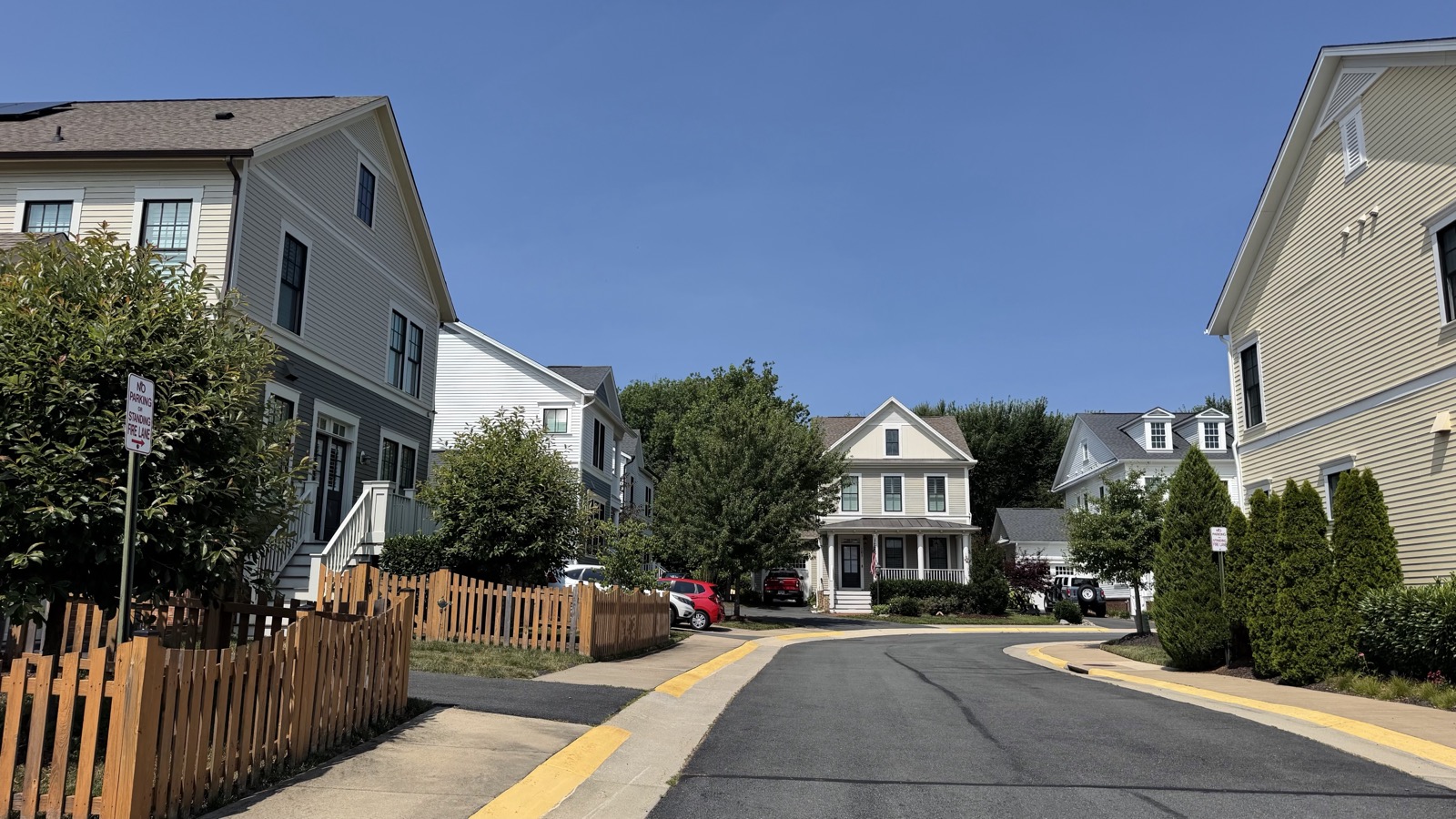
Photos show homes and streets in Herndon from our local photo library. They are neighborhood context, not the properties in Peter’s example or advertised rent-back opportunities.
What is a seller rent-back?
Often called post-settlement occupancy, it lets the seller remain in the home for an agreed period after the sale closes. Ownership and physical possession happen on different dates. The purchase contract and occupancy agreement need to make those dates and responsibilities clear.
Do not assume the everyday phrase “rent-back” tells you the legal status of your arrangement. Ask the professionals handling your transaction to explain the actual agreement, including what happens if the seller stays beyond the deadline.
Peter’s example: free occupancy helped, but it did not eliminate the backup plan
Peter recently helped a seller negotiate 60 days of free post-closing occupancy while waiting for new construction. The builder’s schedule slipped, and the seller ultimately had to move twice. Peter says the free occupancy still provided substantial savings, even though it could not solve every moving problem.
That is the useful lesson: a valuable concession can reduce costs without removing uncertainty. “Free” describes the negotiated occupancy charge; it does not mean utilities, insurance, storage or another move will cost nothing.
Peter recommends having temporary housing and storage options ready. If your next home is under construction, the date you are allowed to stay in the old home and the date the new home will be ready are two separate commitments.
When does it make sense in Northern Virginia?
Consider an illustrative homeowner selling in Herndon and buying in Ashburn. A short occupancy period could help bridge two closings. The seller may avoid packing twice, while a buyer with a flexible move-in date may be willing to accommodate the request. This is a planning scenario, not a reported transaction.
Now change one detail: the buyer’s apartment lease ends immediately after settlement. Agreeing to a rent-back could require that buyer to pay for temporary housing, storage and another move. The same offer term that helps the seller can create a real expense for the buyer.
Jontae’s advice is to be more cautious when the buyer needs immediate possession or the terms are unclear. Peter also advises against relying on post-closing occupancy without a dependable move-out plan.
If the bigger question is which transaction should happen first, start with our guide to selling your current home before buying the next one.
How much does a rent-back cost?
There is no single price to assume. Peter’s example included free occupancy, but that was negotiated. Other arrangements may include an occupancy charge. Compare the complete deal: sale proceeds, occupancy costs, the buyer’s carrying costs, moving expenses and the risk of a delay.
For illustration only, a charge of $150 per day for 30 chargeable days totals $4,500. That is arithmetic, not a Northern Virginia market quote. The agreement must define which days count, how payment is handled, and any separate deposit or other charges.
Before calling one offer better, ask what you would spend without the occupancy arrangement. A higher sale price can lose some of its advantage if it requires expensive temporary housing. Conversely, a buyer should not accept delayed possession without understanding the cost to their own household.
Settle these details before closing
- The exact move-out deadline. Put the date and time in writing. Do not rely on “when the new house is ready.”
- Charges and deposit. Agree on the occupancy charge, payment arrangements, deposit holder and the process for release or claims.
- Utilities and upkeep. Specify who pays the bills and who handles maintenance or a system that stops working.
- Condition and access. Plan how condition will be documented at settlement and after the seller leaves, and how any agreed access will work.
- Insurance and loan requirements. Tell the lender and insurers exactly who will occupy the property and for how long.
- A late move-out. Have the agreement’s consequences and the process for any requested extension explained before signing.
Both Peter and Jontae emphasize settling dates, costs, utilities, damage responsibility and insurance before the arrangement begins. A verbal understanding is a weak foundation for two households’ moving plans.
Do not treat 60 days as automatic permission
Peter’s seller received 60 days. That does not establish the allowable period for your loan. Give the buyer’s lender the proposed dates and agreement and obtain approval before committing. An extension also needs review when required; the seller and buyer cannot assume their agreement overrides loan requirements.
Federal Title’s explanation of post-settlement occupancy stresses notifying the lender and discusses a 60-day maximum in its guidance. Your lender must confirm the requirements that apply to your specific financing. Ask each insurer to confirm appropriate coverage for the actual arrangement, rather than assuming the existing policy covers it.

What if something breaks—or the seller cannot leave?
These are separate problems, and both deserve attention. For a repair, start with the written allocation of responsibility and the documented condition of the property. For delayed possession, start with the occupancy deadline, the agreement’s remedies and professional advice about enforcing them.
Vesta Settlements’ July 2022 discussion explains why the agreed condition standard and walkthrough matter. It also distinguishes ordinary maintenance obligations from certain casualty losses under the form it discusses. That older explanation is useful context, not a substitute for reviewing the current agreement in your transaction.
Jontae recommends discussing temporary housing, storage and additional costs ahead of time. Buyers need their own backup plan, too: a seller’s delay can disrupt the buyer’s movers, lease expiration and work schedule. Do not book everything on the assumption that an extension will be easy.
Five questions about seller rent-backs
Can I stay in my Northern Virginia home after selling it?
Only with an agreed arrangement. Raise the request early so the buyer can assess possession timing, financing, insurance and costs before committing.
Is a free rent-back guaranteed?
No. Peter negotiated one in his example, but the result depends on the transaction. Evaluate the full offer and remaining expenses rather than assuming the occupancy charge will be waived.
Can a seller stay longer than 60 days?
Do not assume so. Ask the buyer’s lender and the professionals preparing the agreement what is permitted for that transaction. An extension requires agreement and any necessary lender review.
Who pays for repairs during the occupancy period?
The written agreement and circumstances matter. Have maintenance, damage, casualty loss and insurance responsibilities explained before settlement, and document the home’s condition.
What if the new home is not ready by the move-out date?
Use the backup plan rather than assuming the buyer will extend. Peter’s experience shows why temporary housing and storage may still be necessary even after a helpful occupancy concession.
Related video: check the price as well as the moving terms
Timing is one part of the deal. In How I Know A Home is Overpriced in 5 Minutes in Northern Virginia, Chris explains his approach to comparable sales and asking prices. Published September 3, 2026, this is related pricing guidance—not a rent-back tutorial. Recheck any market figures for your current neighborhood and transaction.
Let’s plan both sides of your move
Talk with our team about selling your Northern Virginia home, including your preferred closing date and whether post-settlement occupancy would help. If you are buying, let’s compare your next-home options and possession needs. Tell us the dates you can change and the ones you cannot.
Sign up for my Northern Virginia breaking-news newsletter.
Contributing agents

Peter Van Cleave
Colgan Team Agent Partner
571-217-3588 | Peter@ColganTeam.com
Meet Peter Van Cleave

Jontae Mclean
Real Estate Agent, Chris Colgan Team
jontae@colganteam.com
Team office: 571-621-7660
Meet Jontae Mclean
Chris Colgan
Chris Colgan
REALTOR® | Team Leader, Chris Colgan Team
Real Broker, LLC | Powered by PLACE
Call or text: 571-437-7575
Office: 571-621-7660
info@colganteam.com
8427 W Main St, Marshall, VA 20115
ColganTeam.com | ChrisColgan.com
Agent insights supplied September 29, 2026. Sources rechecked October 3, 2026. Examples are illustrative unless attributed to an agent; contract, financing and insurance terms depend on the transaction.

Chris Colgan
Team Leader | Chris Colgan Team | REAL | PLACE
or another way