
Categories
Home Selling TipsPublished October 6, 2026
Should You Get a Home Inspection Before Selling in Northern Virginia?


A pre-listing home inspection can be worth doing when you have unanswered questions about your home's condition and enough time to act on the findings. It is not an automatic requirement for every Northern Virginia seller. The decision should turn on what you need to learn, what you would do with the information, and the cost of getting it.
You can repaint a room before listing. You can rearrange the furniture. But those improvements do not answer a different question: What might a buyer's inspector find once you are under contract?
That is the question a pre-listing inspection is designed to help you explore. Two Chris Colgan Team agents, Kam Ashfakh and Jontae Mclean, offered their perspectives on October 6. Both see a role for inspecting before listing, and both stop short of recommending it for every seller.
Cover image: AI-generated illustration of a home inspector explaining an HVAC unit to a couple. It does not depict an actual client, agent or inspection.
When an inspection before listing makes sense
Kam generally recommends considering an inspection for an older home when the seller suspects there could be significant issues. He has seen inspections uncover larger problems that owners did not fully understand. Identifying them before listing gives a seller a chance to address them before a buyer's inspection introduces the same concern into a negotiation.
That is a practical benefit: more time to investigate, obtain estimates and decide how to proceed. It is not a promise that the inspection will pay for itself or eliminate later negotiations.
Jontae approaches the question through the seller's level of uncertainty. An inspection can help an owner understand what a buyer may find. If the owner already has a good understanding of the property's condition, he does not assume another inspection is necessary.
Consider a hypothetical seller in Fairfax with an older home, incomplete maintenance records and a recurring moisture concern. A general inspection may help organize the questions, while a qualified specialist may be needed to investigate the moisture itself. A seller in Ashburn with recent service records and a clearly identified repair may instead start with the appropriate contractor. These are decision examples, not transactions reported by Kam or Jontae.
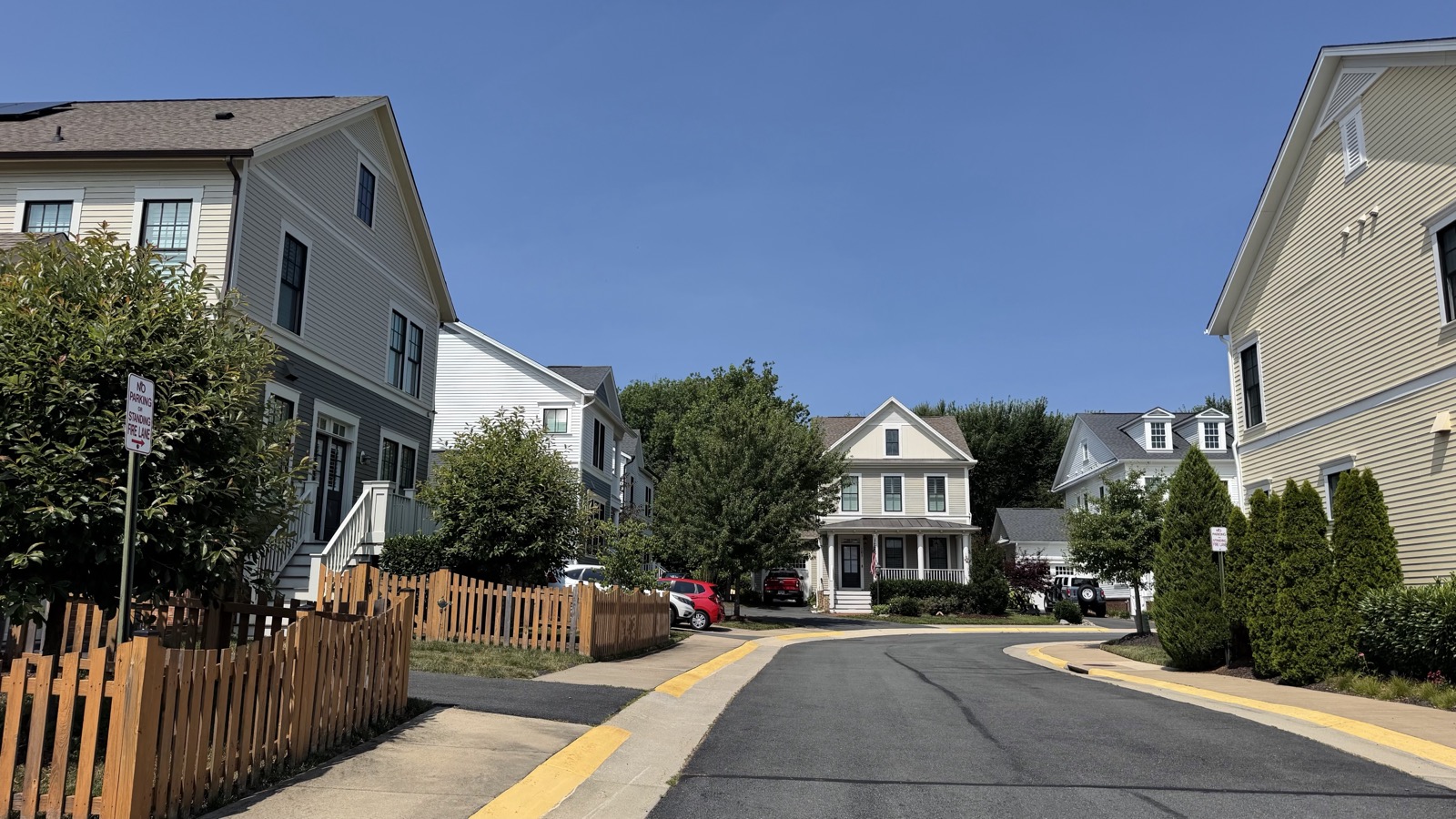
Herndon homes from the Chris Colgan Team photo library. Representative neighborhood image; no inspection findings or defects are attributed to these properties.
When you might skip it—or narrow the scope
An inspection is most useful when its findings can change your preparation plan. Before ordering one, ask: What decision am I trying to make?
| Your situation | A useful next step |
|---|---|
| Older home with several unanswered condition questions | Discuss a general inspection and any specialist follow-up. |
| One known problem, such as a roof leak | Ask whether the relevant specialist should evaluate it first. |
| Recent repairs with complete records | Review what is documented and what remains uncertain before paying for another assessment. |
| Very limited preparation time or budget | Compare the inspection cost and likely follow-up with your actual selling plan. |
Skipping a broad inspection is not a reason to ignore a known concern. It may mean directing your budget toward the specific question you need answered. Conversely, a home that looks well maintained can still have issues the owner does not know about.
What does a pre-listing inspection cost?
Neither agent supplied a current inspection quote, so there is no verified local price range to present here. Get a written quote for your property rather than budgeting from a generic online average.
Ask what the fee includes: the areas and systems examined, report delivery, any return visit, and whether separate testing or specialist evaluations cost extra. Do not assume radon testing, a sewer scope, or well and septic evaluations are included.
Virginia's home inspection contract rules require a written agreement identifying the cost, scope and exclusions. The rules also explain that the report reflects visual observations at the time of inspection and is not itself a guarantee, warranty or insurance.
Your planning budget should account for more than the initial fee. Findings may lead to contractor estimates, additional evaluation, repairs and a later check of completed work. None of those expenses guarantees a higher sale price.
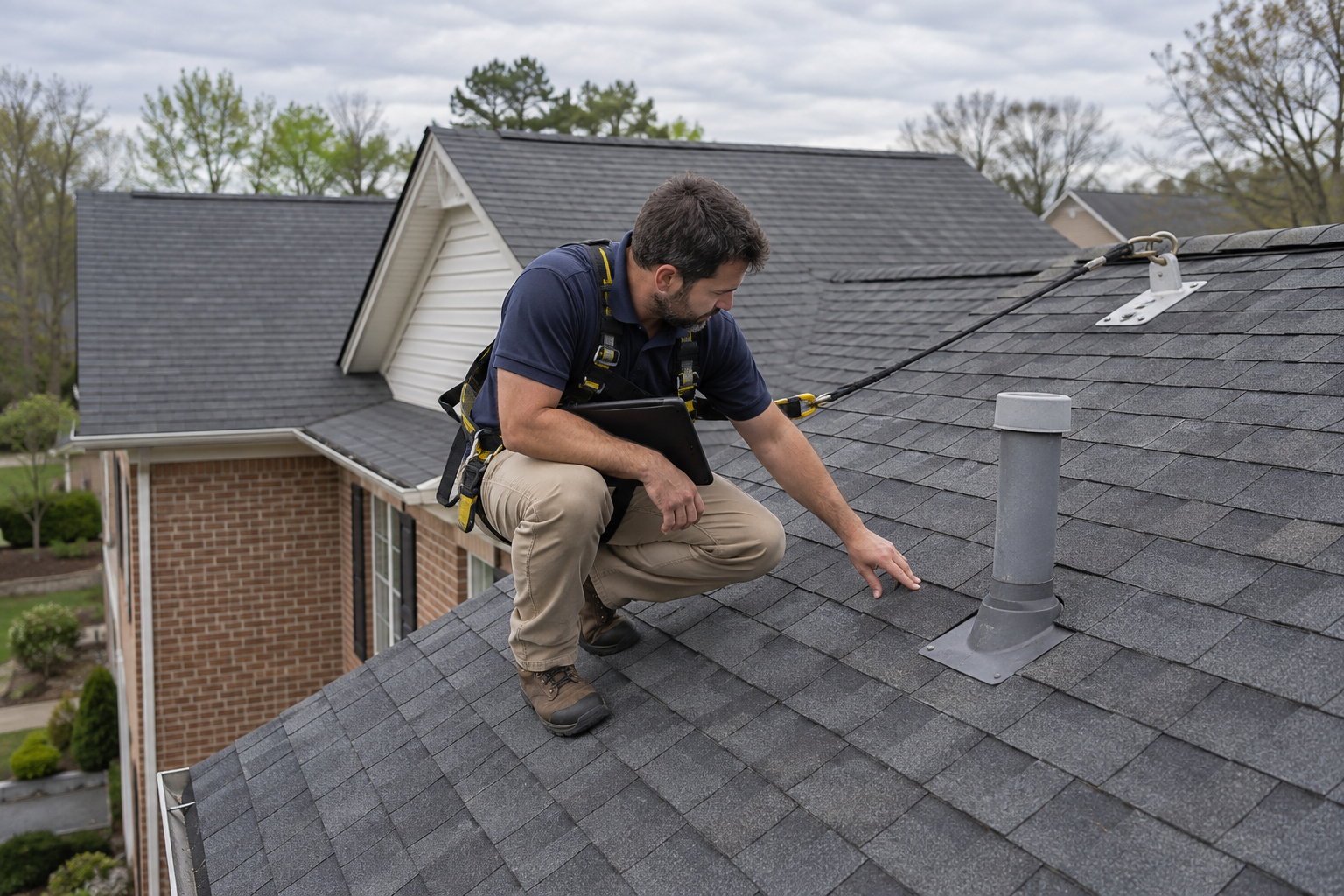
AI-generated illustration, not an actual inspection or a property discussed by our agents. Roof access and inspection methods depend on conditions and the inspector's judgment.
If the inspector finds something, what happens next?
Start by understanding the finding. A report may identify a concern or recommend further evaluation without establishing the cause or the final repair cost.
- Clarify the issue. Ask the inspector what was observed, what could not be accessed, and which professional should evaluate it further.
- Get the right estimate. Obtain a written scope from an appropriately qualified contractor instead of assigning a repair price from the report alone.
- Choose a response. Discuss repairs, pricing and potential negotiation options with your agent. Your obligations depend on the facts, applicable law and any contract you sign.
- Document completed work. Keep invoices, receipts, warranties, permits where applicable, and any follow-up findings together.
Jontae specifically emphasizes that last step. If a seller makes repairs, documentation helps explain what was completed when questions arise. An invoice is useful evidence of the work described; it should not be presented as proof that every related issue has been eliminated.
Keep the original inspection and subsequent records organized. A buyer may want to understand both the initial concern and the response.
Chris Colgan's caution: understand what you may uncover
“Sometimes it's better to just let the buyer do it.”
— Chris Colgan, on whether a seller should order a pre-listing inspection
Chris's advice is to be careful before ordering an inspection automatically. An inspector's job is to look for problems, and the report may uncover a significant issue you were not prepared to address. Learning about that issue can affect your repair plan, negotiations and your agent's disclosure obligations.
For some sellers, leaving the inspection to the buyer may make more sense. Depending on the inspection contingency, deadlines and other contract terms, the buyer may be able to terminate or ask for repairs or a credit. Repairs and credits are negotiated; neither is guaranteed. Virginia's “buyer beware” framework does not itself give every buyer a right to cancel.
If a serious problem comes to light, Chris recommends addressing it openly with your agent and considering appropriate repairs. Waiting for the buyer's inspection does not remove an agent's duty to disclose actually known material adverse physical facts. Completing a repair also does not automatically resolve every disclosure question.
Virginia disclosure rules need a careful explanation
Kam raises a fair question: What does learning about an issue mean for disclosure? Virginia's rules require more nuance than saying every finding must go on a universal seller defect checklist.
The Virginia Residential Property Disclosure Statement generally says an owner makes no representations or warranties about property condition and advises buyers to perform due diligence. Specific affirmative disclosures can still apply. The appropriate response depends on the property, the finding and the transaction.
Your agent has a separate duty. Under Virginia Code § 54.1-2131, a seller's agent must disclose in writing to prospective buyers material adverse facts about the property's physical condition that the agent actually knows.
Discuss significant findings with your agent and, when legal obligations are unclear, a Virginia real estate attorney. Do not assume that skipping an inspection, using an “as-is” label or making a repair answers every disclosure question. This overview concerns Virginia; do not apply it automatically to Maryland or Washington, D.C.
Will a buyer still want another inspection?
Plan for that possibility. Your report gives a buyer information, but it does not require the buyer to accept your conclusions or give up an inspection opportunity provided by the purchase contract.
Conditions can change, access can differ and another inspector may raise different questions. Before distributing your report, ask the inspector about permitted sharing and who may rely on it. Avoid describing the home as problem-free because an inspection was completed.
A pre-listing inspection gives you a chance to prepare. It does not make the property immune to questions.
The decision is about preparation, not passing a test
For sellers in Fairfax, Loudoun, Arlington, Alexandria, Prince William or Stafford, the useful starting point is the same: identify the unknowns that could affect your move. A seller with time to investigate and respond may get more value from an early inspection than someone who already has current evaluations of the specific systems in question.
Before paying for cosmetic improvements, decide whether unresolved condition concerns deserve attention first. Then build a preparation plan around the home, your budget and your timeline.
Common seller questions
Should every seller get a pre-listing inspection?
No. Kam and Jontae both favor a case-by-case decision. Condition uncertainty, prior records, timing and the ability to act on findings matter.
Does an older home automatically need one?
Age is a reason to ask more questions, not proof of a defect. Kam's recommendation is strongest when an older home also has suspected significant issues.
Must I repair everything the report mentions?
A finding does not by itself establish the seller's response. Review severity, professional recommendations, legal requirements and contractual obligations before deciding.
Can the inspection guarantee a smoother sale?
No. It can help you prepare and document work, but cannot guarantee the buyer's reaction, negotiation terms, sale price or timing.
What should I bring to a listing consultation?
Bring prior reports, maintenance records, warranties, repair invoices and a list of known concerns. Explain your moving deadline and preparation budget.
Build your pre-listing plan
Talk with the Chris Colgan Team about selling your Northern Virginia home. We can help you decide which questions to investigate before listing and how to coordinate preparation, pricing and timing.
Buying new construction after you sell? Read our guide to independent inspections on a new-construction home.
Sign up for my Northern Virginia breaking-news newsletter.
Agent contributions received October 6, 2026; paraphrased with attribution. Virginia sources checked October 6, 2026. No specific transaction outcomes, inspection prices or savings have been assumed.
Contributing agents

Kam (Kamrul) Ashfakh
Colgan Team Agent Partner
kam@colganteam.com
Team office: 571-621-7660
Meet Kamrul Ashfakh

Jontae Mclean
Real Estate Agent, Chris Colgan Team
jontae@colganteam.com
Team office: 571-621-7660
Meet Jontae Mclean
Chris Colgan
Chris Colgan
REALTOR® | Team Leader, Chris Colgan Team
Real Broker, LLC | Powered by PLACE
Call or text: 571-437-7575
Office: 571-621-7660
info@colganteam.com
8427 W Main St, Marshall, VA 20115
ColganTeam.com | ChrisColgan.com

Chris Colgan
Team Leader | Chris Colgan Team | REAL | PLACE
or another way